Tracing Cumulative Membership Benefits with Multi-Format Engagement Tools Across Smartphone Gaming Networks
Yves Wolf · May 27, 2026

Tracing Cumulative Membership Benefits with Multi-Format Engagement Tools Across Smartphone Gaming Networks
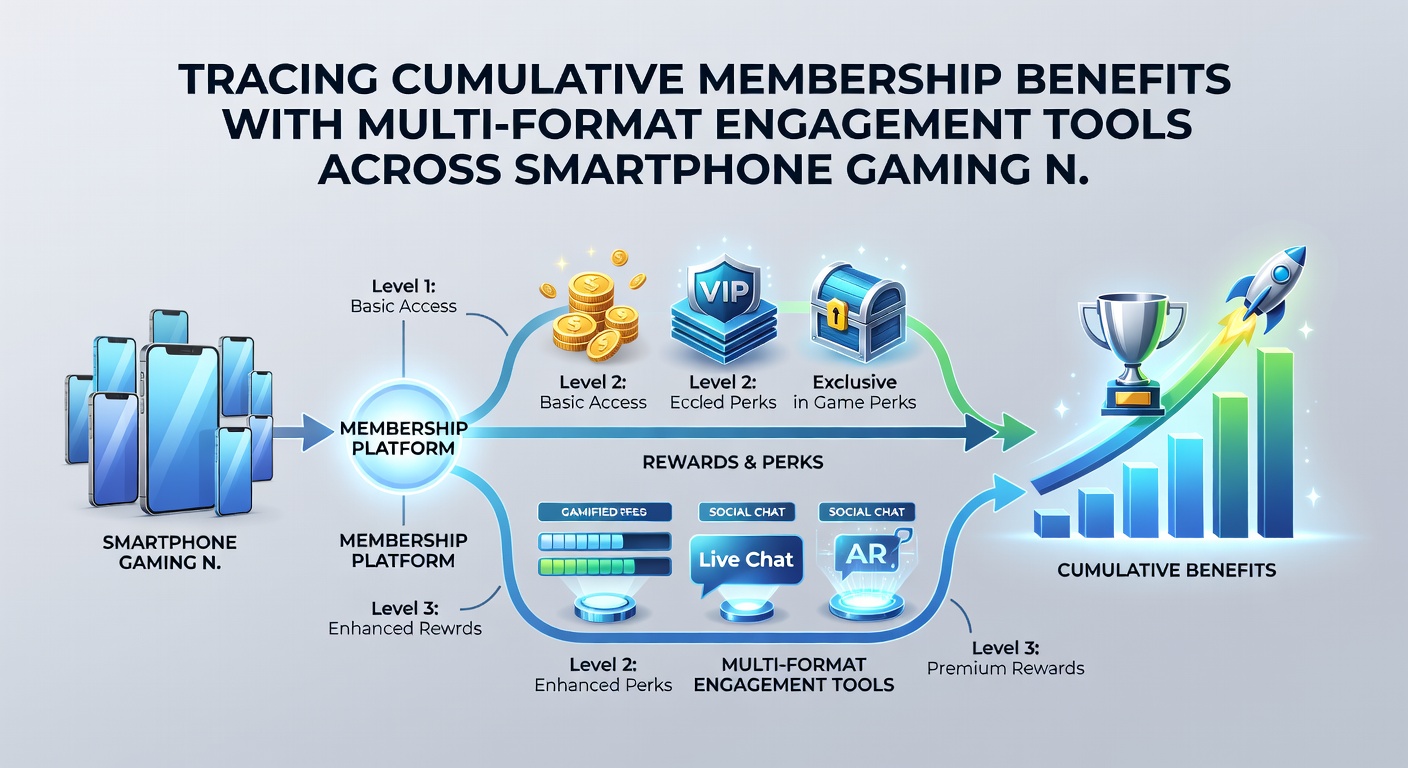
Smartphone gaming networks in May 2026 operate through layered systems that accumulate membership benefits across multiple formats and platforms, allowing users to build rewards through sustained interaction with games on mobile devices. These networks connect individual titles via shared accounts, cloud-based progress tracking, and cross-app synchronization tools that convert activity in one environment into credits applicable elsewhere.
Core Mechanics of Benefit Accumulation
Developers integrate point systems that record playtime, in-app purchases, and social interactions, then convert those metrics into tiered memberships offering escalating perks such as exclusive items, bonus currency, and priority access to events. Research from industry reports indicates that networks employing unified dashboards enable players to view aggregated totals from console, PC, and mobile sessions without separate logins for each format. Data shows participation in daily challenges across three or more connected games often accelerates progression toward higher tiers, with automatic updates occurring every 24 hours through backend APIs.
Multi-format engagement extends beyond in-game actions to include web portals for leaderboard management, social media integrations that award bonus points for sharing achievements, and push-notification campaigns that prompt users to complete tasks on their devices during commutes or breaks. Observers note that these tools reduce friction by allowing seamless transitions, for example from a quick mobile session to a desktop review of accumulated rewards, while maintaining consistent benefit ledgers across all touchpoints.
Cross-Network Tracking Technologies
Smartphone networks rely on device fingerprinting combined with account authentication to trace user activity without requiring constant internet connectivity for every action. Offline progress syncs upon reconnection, feeding into cumulative totals that influence membership status. According to findings published by the Entertainment Software Association, mobile gaming accounted for over 60 percent of total industry revenue in recent years, with loyalty features contributing to higher retention rates when benefits carry over between titles within the same publisher ecosystem.
Engagement tools such as personalized quest chains and collaborative events further link disparate games by requiring coordinated participation, where completing objectives in one title unlocks multipliers for rewards earned in another. Those who manage multiple accounts across regional servers frequently discover that standardized APIs facilitate benefit transfers when users relocate or switch devices, preserving continuity in membership levels.
Regional Variations and Regulatory Influences
Implementation differs by jurisdiction. In the European Union, data protection rules shape how networks store and share membership histories, requiring explicit consent for cross-format tracking. Australian government gaming reports highlight similar frameworks that emphasize transparency in how play data converts to benefits. Canadian provincial regulators have examined integration standards that ensure players can export their accumulated histories when switching providers.
Academic studies from institutions tracking digital behavior patterns reveal that networks incorporating real-time analytics dashboards help users visualize progress toward milestones, which correlates with extended session lengths across connected titles. These systems often employ machine-learning models to predict optimal engagement prompts, delivering tailored offers through multiple channels including email summaries and in-app notifications.
Practical Examples from Leading Platforms
One prominent network aggregates activity from battle royale titles and simulation games by converting session statistics into a shared currency pool redeemable for cosmetics and accelerators. Players advancing through seasonal events receive automatic tier upgrades that apply universally, eliminating the need to restart progress when exploring new releases within the ecosystem. Another example involves social deduction games that feed participation metrics into a central hub, where community contributions unlock collective bonuses distributed back to individual accounts based on cumulative involvement.
Industry organizations such as the International Game Developers Association have documented cases where multi-format tools, including browser-based companion apps, increase overall network cohesion by allowing users to manage memberships from any device. Figures from recent analyses suggest that platforms offering such flexibility experience lower churn, as members retain access to earned benefits even during periods of reduced play.
Future Trajectories in Network Design
Developments projected for late 2026 include expanded use of blockchain elements for verifiable benefit ledgers that operate independently of single publishers, enabling transfers between competing networks under standardized protocols. These advancements build on existing smartphone infrastructure, where 5G connectivity supports faster synchronization of large datasets tracking long-term membership activity. Researchers continue to examine how these tools balance engagement incentives with responsible usage guidelines across global markets.
Conclusion
Tracing cumulative membership benefits through multi-format engagement tools has become a defining characteristic of smartphone gaming networks by May 2026. The combination of unified tracking systems, cross-platform tools, and regional compliance measures creates interconnected environments where activity in one format directly influences rewards available in others. Continued refinement of these mechanisms supports sustained participation while adapting to evolving technological and regulatory landscapes.