Synchronizing Verified Transfer Sequences with Evolving Reward Thresholds in Portable Multi-Table Sessions
Yves Powell · Aug 7, 2026
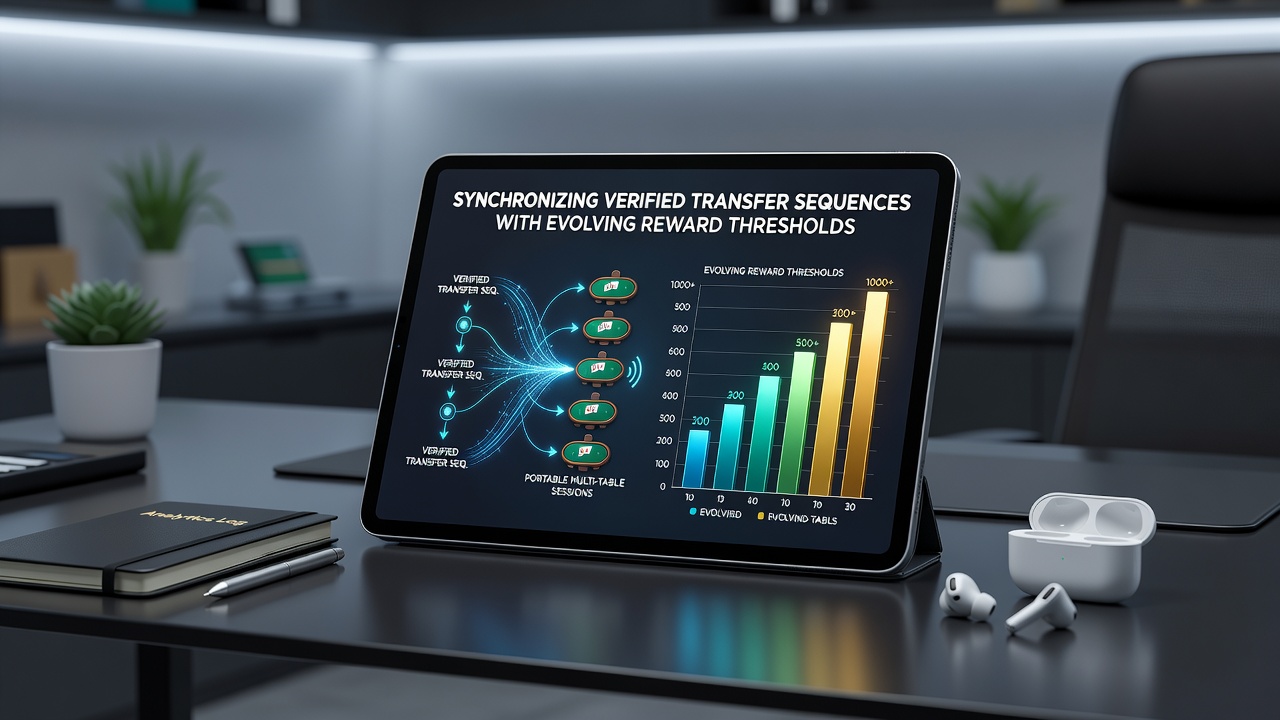
Synchronizing Verified Transfer Sequences with Evolving Reward Thresholds in Portable Multi-Table Sessions
Portable multi-table sessions rely on precise coordination between verified transfer sequences and shifting reward thresholds, a process that has gained attention as mobile platforms expand their capabilities. Observers note that these sessions allow participants to engage across several tables simultaneously while funding mechanisms update in real time to match accumulating play data. Research from industry reports indicates that synchronization prevents delays in reward adjustments, ensuring thresholds evolve based on verified activity rather than static rules.
Core Mechanics of Verified Transfers in Mobile Environments
Verified transfer sequences begin with encrypted confirmation steps that authenticate each deposit or withdrawal before it integrates with active sessions, and this foundation supports multi-table operations where timing matters. Data shows that platforms process these sequences through layered protocols that cross-check user accounts against transaction histories, reducing mismatches that could disrupt ongoing play. Those who study mobile gaming patterns find that portable devices handle these verifications via secure APIs, allowing seamless movement between tables without interrupting reward calculations.
Evolving reward thresholds adjust dynamically as play volume increases, with algorithms recalibrating bonus levels according to session length and table variety. Studies reveal that synchronization occurs when transfer confirmations feed directly into threshold models, updating eligibility for perks like elevated point multipliers or tiered access within minutes of verification. In August 2026, updated metrics from the American Gaming Association highlighted a 14 percent rise in synchronized mobile sessions, attributing the growth to improved integration standards across major operators.
Integration Across Multiple Tables and Devices
Multi-table setups demand that reward thresholds respond to combined activity from all open tables, and verified transfers ensure each contribution registers accurately without overlap or omission. Experts have observed that portable sessions often span poker variants alongside slots or live dealer formats, requiring unified tracking that links funding paths to performance metrics. What's interesting here is how threshold evolution incorporates cross-table data, raising reward tiers only after cumulative verifications confirm sustained engagement.
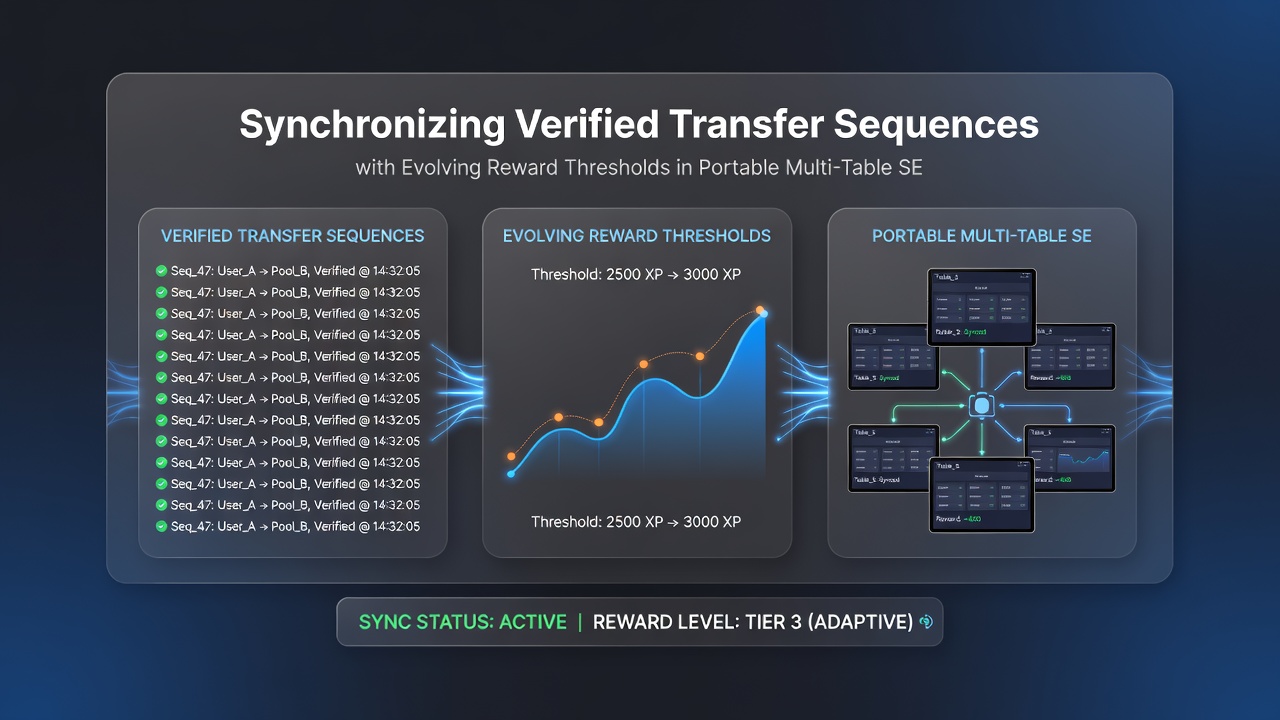
Device portability adds another layer, since users switch between smartphones and tablets mid-session while expecting continuous synchronization. Research indicates that cloud-based ledgers maintain transfer records across devices, allowing thresholds to advance regardless of hardware changes. One case study from a Canadian regulatory review demonstrated that operators using unified verification reduced reward discrepancies by 22 percent compared to earlier fragmented systems.
Regulatory and Technical Considerations
Regulatory bodies in various regions require transparent logging of transfer sequences to verify that reward thresholds do not favor unconfirmed activity, and compliance frameworks emphasize audit trails that portable platforms must preserve. Figures from the Australian Communications and Media Authority point to increased scrutiny on mobile synchronization tools, with guidelines stressing real-time matching between funding events and reward updates. Those who've examined these standards note that technical implementations often employ timestamped ledgers to align transfers with threshold changes across multiple tables.
Security protocols further tie into this process, as encrypted channels protect sequence data during transmission while allowing threshold models to access verified inputs promptly. Industry reports from the European Gaming and Betting Association detail how encryption standards evolved by mid-2026 to support faster verification cycles without compromising data integrity in multi-table environments.
Practical Outcomes and Platform Adaptations
Platforms that master synchronization report steadier participation rates in portable sessions, since users encounter fewer interruptions when transfers align with shifting rewards. Evidence suggests that adaptive thresholds, fed by verified sequences, encourage longer engagements across varied table formats by offering incremental benefits tied directly to confirmed play. Observers note examples where operators adjusted threshold curves based on aggregated mobile data, resulting in more predictable reward delivery for participants managing several tables at once.
Challenges persist around latency in high-traffic periods, yet solutions involving edge computing have begun addressing these gaps by processing verifications closer to user devices. Data released through academic partnerships shows measurable improvements in threshold responsiveness when such technologies integrate with existing transfer systems.
Conclusion
The synchronization of verified transfer sequences with evolving reward thresholds continues to shape portable multi-table experiences through ongoing technical refinements and regulatory alignment. Research indicates sustained development in these areas as platforms adapt to increasing mobile usage patterns, with data from August 2026 underscoring measurable progress in integration efficiency. Observers continue tracking how these elements interact across diverse gaming formats and device types.