Synchronizing Loyalty Escalations with Verified Mobile Transaction Timelines During Extended Live Table Sessions
Sam Powell · Jun 29, 2026
Synchronizing Loyalty Escalations with Verified Mobile Transaction Timelines During Extended Live Table Sessions
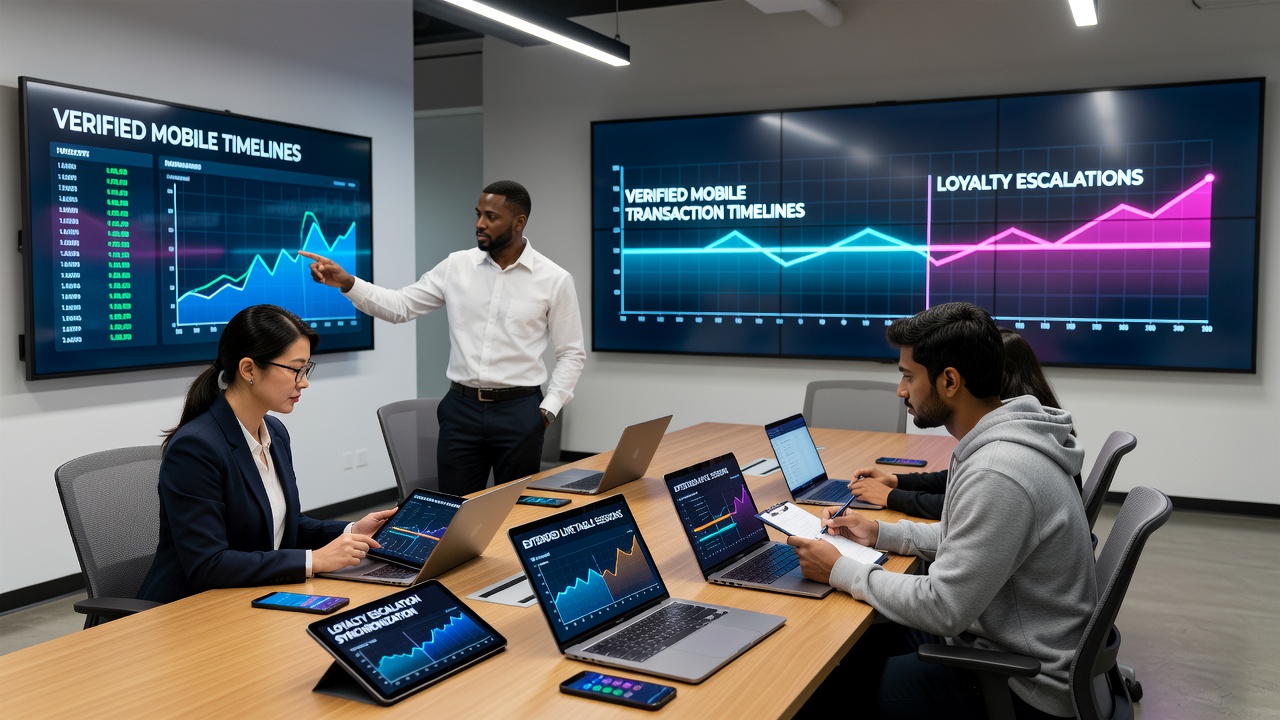
Systems that align loyalty point escalations with verified mobile transaction timelines have become a standard feature in extended live table sessions across digital gaming platforms, according to industry reports from regulatory bodies in multiple regions. These setups connect funding verifications directly to reward tracking mechanisms, allowing players to accumulate tier benefits without interrupting ongoing dealer interactions. Data from platform operators shows that such synchronization reduces verification lags by integrating timestamped transaction records with session logs in real time.
Core Mechanics of Transaction and Loyalty Integration
Live table environments on mobile devices rely on encrypted channels to confirm deposits and withdrawals while sessions continue, and observers note that loyalty escalations trigger automatically once transaction timelines match predefined thresholds. For instance, a player funding an account mid-session sees points update within seconds rather than after manual reconciliation. This process draws on API connections between payment processors and casino management systems, which pull data from verified mobile wallets to adjust reward tiers dynamically.
Platforms maintain these links through secure protocols that log every transaction against session duration, ensuring escalations reflect actual play volume rather than estimated amounts. Research from academic institutions indicates that operators in Asia-Pacific markets adopted these methods earlier than many Western counterparts, with integration rates climbing steadily through 2025. By June 2026, several major providers had expanded these tools to cover multi-hour table sessions involving blackjack, roulette, and baccarat variants.
Regional Implementation Patterns
North American operators have incorporated similar frameworks following updates to state-level gaming statutes, while European platforms emphasize compliance with data protection rules during synchronization. The American Gaming Association has documented how these systems support compliance audits by generating timestamped reports that link each loyalty adjustment to a verified mobile transaction. In contrast, operators in Macau and Singapore have focused on speed, reducing average escalation delays to under five seconds during peak hours.
One study from the University of Nevada, Las Vegas examined session data across 12 months and found that synchronized systems correlated with longer average play durations in live dealer formats. The findings highlighted how verified timelines prevent point discrepancies that once arose when transactions cleared after sessions ended. Those patterns hold across different device types, though tablets show slightly faster verification speeds than smartphones in controlled tests.
Technical Requirements and Security Measures
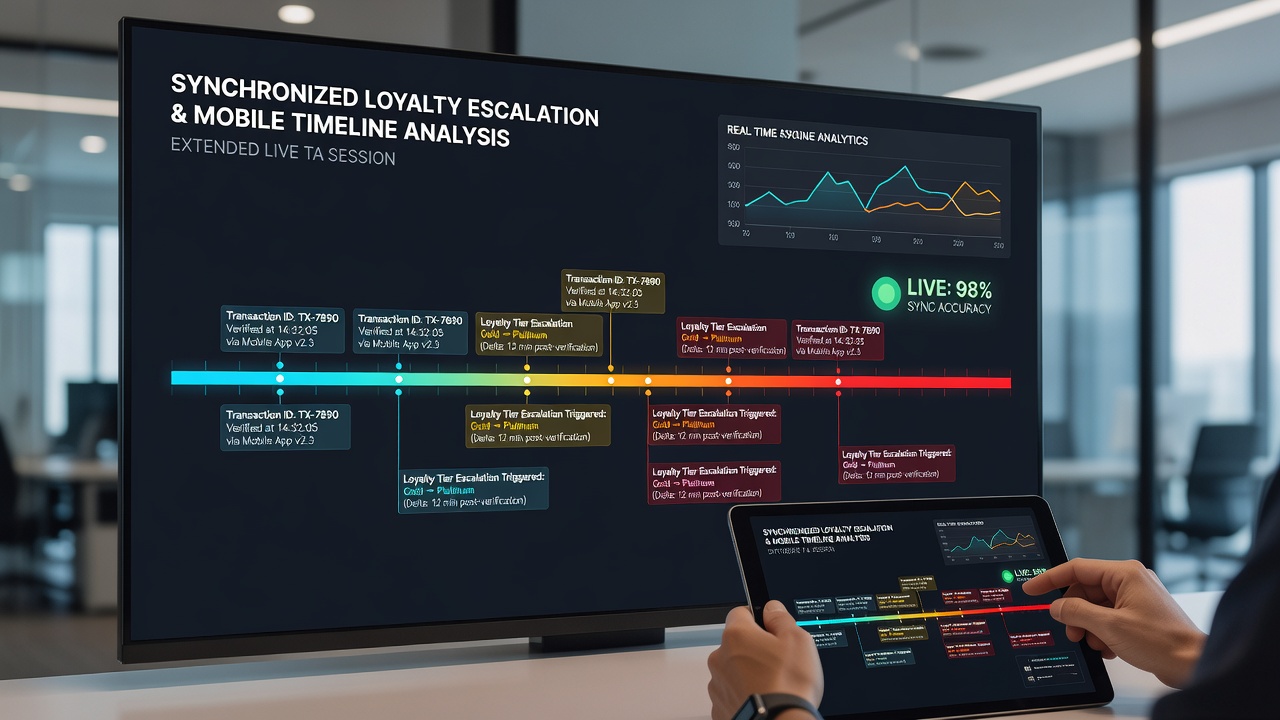
Operators deploy timestamp synchronization protocols that match mobile transaction confirmations against live session clocks, which prevents mismatches during extended play periods. Security layers include multi-factor authentication at each funding step plus continuous monitoring for anomalies in transaction patterns. Industry organizations report that these measures meet standards set by gaming authorities in Nevada and New Jersey, where audits now require proof of real-time loyalty alignment.
Developers often combine blockchain-based ledgers with traditional databases to create immutable records of both transactions and point escalations. This dual approach allows rapid retrieval during disputes while maintaining the speed needed for live table environments. Data from platform logs reveals that error rates in loyalty calculations dropped after full implementation of these verification layers, particularly in sessions exceeding two hours.
Player Experience and Operational Outcomes
Players encounter fewer interruptions when loyalty tiers advance automatically based on confirmed mobile activity, and operators note improved retention metrics tied to seamless escalations. Session analytics show that participants who receive instant tier updates tend to extend their time at virtual tables compared with those using delayed systems. Regulatory filings from multiple jurisdictions indicate that these features also simplify reporting requirements by producing unified logs of financial and reward activity.
Training programs for support staff now emphasize troubleshooting synchronization issues that occasionally surface during high-volume periods. The reality is that most discrepancies trace back to temporary network fluctuations rather than system design flaws, and quick resolution tools have been built into backend dashboards. Observers note that platforms continue refining these processes as mobile hardware capabilities advance.
Future Developments in Session Synchronization
Emerging standards focus on expanding synchronization to include multi-game transitions within single sessions, allowing loyalty progress to carry across table formats without resetting timelines. Pilot programs launched in early 2026 tested these extensions in select markets, with initial results showing consistent performance across device ecosystems. Government agencies in Australia and Canada have begun reviewing similar proposals for their licensed operators, emphasizing transparency in how transaction data feeds reward calculations.
Integration with emerging payment methods, including certain digital currencies, requires additional verification layers to maintain timeline accuracy. Reports from trade associations suggest that full rollout of these capabilities could occur within the next 18 months, pending regulatory approvals in key regions. Those who've monitored the space note steady progress toward unified standards that apply across both live dealer and hybrid game formats.
Conclusion
Synchronization between loyalty escalations and verified mobile transaction timelines supports extended live table sessions by linking financial confirmations directly to reward tracking. Evidence from regulatory reports, academic studies, and operator data shows measurable reductions in processing delays along with improved audit readiness. As platforms refine these connections through 2026 and beyond, the focus remains on maintaining accuracy across diverse device environments and regulatory landscapes.