Synchronizing deposit verification timelines with adaptive slot selection patterns across regulated app ecosystems
Ulrich Günther · Jul 15, 2026
Synchronizing deposit verification timelines with adaptive slot selection patterns across regulated app ecosystems
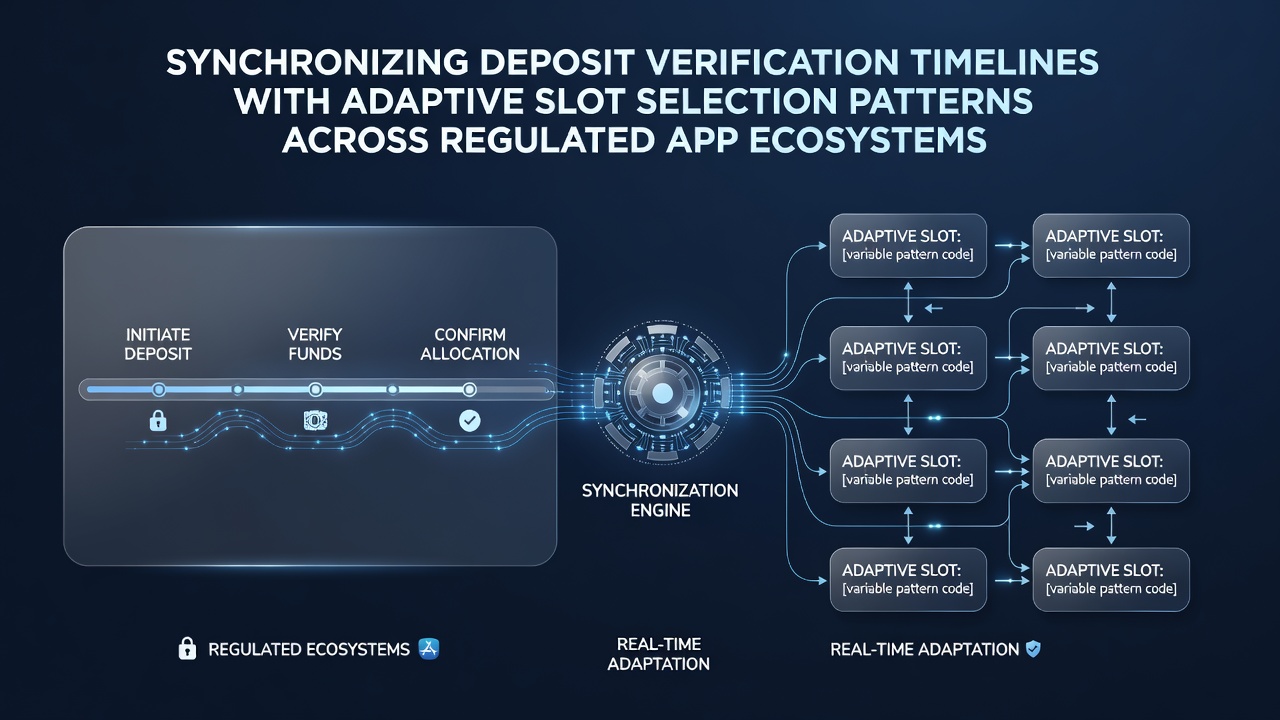
Regulated app ecosystems require precise coordination between deposit verification processes and dynamic slot selection mechanisms, where timing directly influences user access to game libraries and compliance standards. Systems process verification requests through layered authentication protocols that draw from banking networks, identity databases, and transaction monitoring tools, while adaptive algorithms adjust available slots based on real-time factors such as account status, regional rules, and platform load.
Core Components of Deposit Verification Timelines
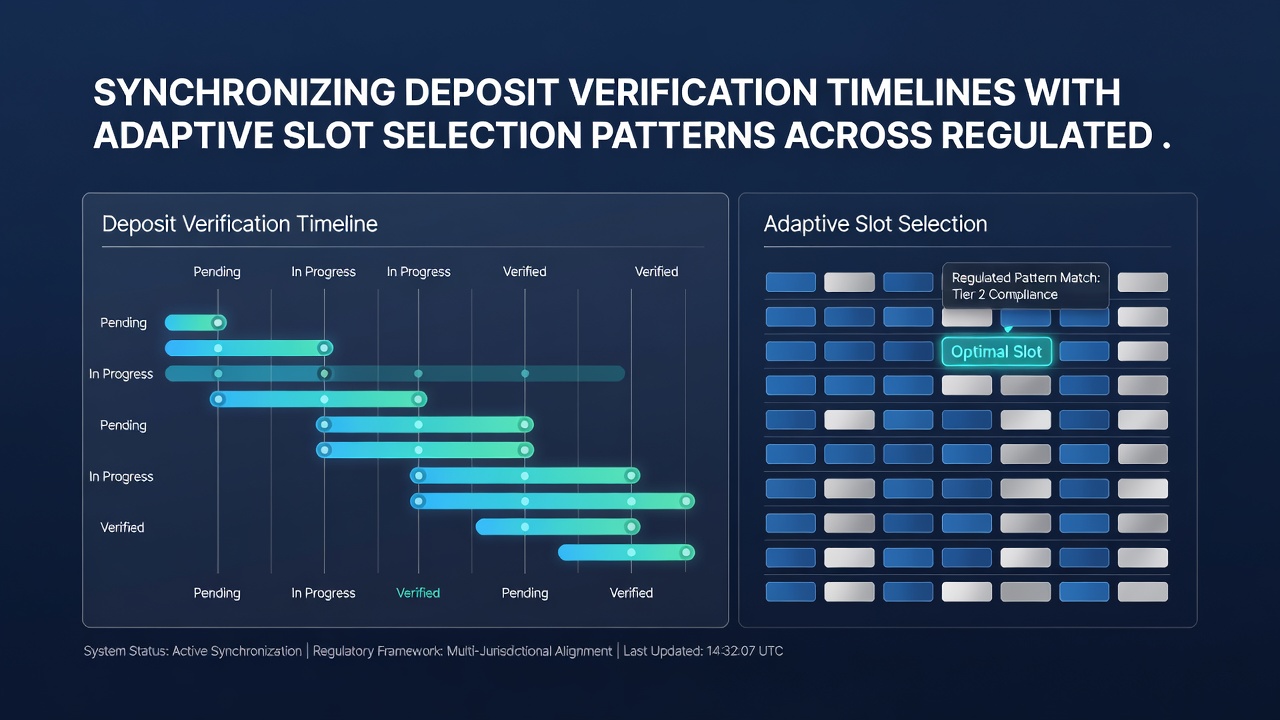
Verification timelines in these environments typically span several stages, beginning with initial transaction submission and extending through automated checks against regulatory watchlists, followed by manual reviews when flagged anomalies appear. Data from industry reports shows that average completion times range from seconds for low-risk deposits to several minutes when cross-border elements trigger additional scrutiny, and synchronization ensures that slot availability updates occur only after confirmation clears these checkpoints. Researchers tracking mobile gaming platforms note that delays in verification often correlate with shifts in user preference toward simpler game formats, creating feedback loops that platforms address through predictive queuing.
Mechanisms Behind Adaptive Slot Selection
Adaptive slot selection relies on machine learning models that evaluate historical engagement data alongside current session variables to prioritize or restrict certain titles for individual accounts. These patterns emerge from aggregated metrics on win rates, session duration, and deposit frequency, allowing the system to surface games that align with verified funding levels while maintaining compliance boundaries. Observers note that in environments where verification completes swiftly, selection algorithms expand options more rapidly, whereas extended timelines prompt narrower initial offerings that broaden progressively as approvals finalize.
Integration Strategies Across Ecosystems
Integration occurs through API frameworks that link banking gateways directly to game servers, enabling simultaneous updates once verification milestones are reached. Platforms operating under multiple jurisdictions implement modular designs that isolate regional rule sets, ensuring a deposit cleared in one market does not automatically unlock selections prohibited elsewhere. Studies conducted by academic teams at institutions focused on digital systems indicate that such modular approaches reduce synchronization errors by up to 40 percent compared with monolithic architectures, particularly when handling high volumes during peak hours.
But here's the thing: timing mismatches between verification completion and slot updates can lead to temporary access denials even for approved users, prompting developers to incorporate buffer periods and fallback menus that maintain engagement without violating access controls. One documented implementation in North American markets demonstrated that embedding verification status flags into the slot recommendation engine cut user friction reports by measurable margins, according to figures released by the Pennsylvania Gaming Control Board.
Regulatory Developments and July 2026 Milestones
Regulatory bodies continue refining standards that govern these synchronization points, with several frameworks scheduled for review or activation around mid-2026. In July 2026, updates to digital transaction oversight in select markets are expected to introduce stricter logging requirements for verification-to-selection handoffs, compelling operators to audit their API latency and decision trees more frequently. Those who've examined draft proposals observe that these changes emphasize audit trails capable of reconstructing every slot adjustment triggered by a verification event, thereby strengthening traceability across app ecosystems.
Implementation Examples and Performance Data
Case examples from operators in the Asia-Pacific region illustrate how synchronization protocols handle variable network conditions while preserving compliance. One platform serving multiple territories deployed edge computing nodes to cache partial verification results, allowing slot previews to load immediately upon preliminary clearance and full activation once final approval arrives. Figures from the Australian Communications and Media Authority tracking mobile service performance reveal that such distributed architectures maintain sub-second response times even under elevated traffic, supporting seamless transitions between deposit stages and game access.
What's interesting is how these systems adapt when verification encounters edge cases such as pending international transfers or temporary holds, situations that trigger conservative slot filtering until resolution. Research indicates that platforms incorporating graduated access tiers, where limited selections appear during pending verification and expand post-approval, achieve higher retention metrics than those enforcing complete locks.
Conclusion
Synchronization of deposit verification timelines with adaptive slot selection continues to evolve as a foundational element of regulated app ecosystems, driven by intersecting demands for security, speed, and regulatory adherence. Ongoing refinements in API design, machine learning models, and compliance logging point toward tighter integration that reduces latency while preserving oversight, particularly as new standards take effect around July 2026. Observers tracking these developments note that successful implementations balance user experience with verifiable controls, creating environments where verified funding directly informs available game options without compromising jurisdictional boundaries.