Player Retention Correlations with Transaction Processing Variations on Diverse Casino Interfaces
Yves Wolf · Aug 21, 2026
Player Retention Correlations with Transaction Processing Variations on Diverse Casino Interfaces
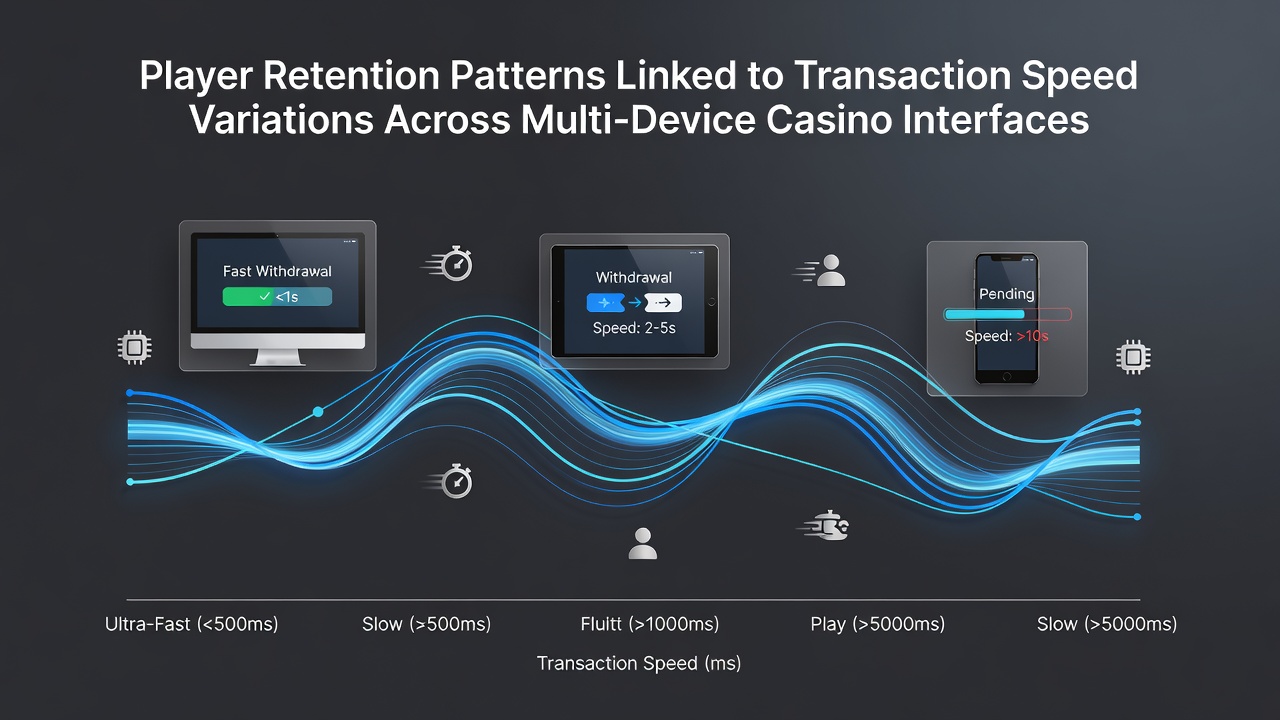
Industry analysts track retention metrics through transaction speed data collected across desktop, tablet, and smartphone platforms, and these figures reveal consistent patterns where faster processing correlates with longer session durations and repeat visits. Research from multiple operators indicates that delays exceeding three seconds during deposits or withdrawals lead to measurable drops in return rates, especially among users who switch between devices mid-session.
Transaction Speed Metrics Across Platforms
Operators compile logs from payment gateways that capture average verification times, and data sets gathered through the first half of 2026 show desktop interfaces averaging 1.8 seconds per transaction while mobile apps range between 2.4 and 3.1 seconds depending on network conditions. Tablet users fall in between, yet the same reports note that cross-device continuity suffers when one platform processes funds slower than another, prompting players to abandon carts or switch to competitors.
Figures from regulatory filings submitted in August 2026 highlight how these timing gaps widen during peak hours, and analysts point to bandwidth allocation as one contributing factor in mobile environments. Those studying user behavior observe that seamless wallet transfers on one device lose their advantage once a player encounters friction after switching to another screen.
Retention Patterns by Device Type
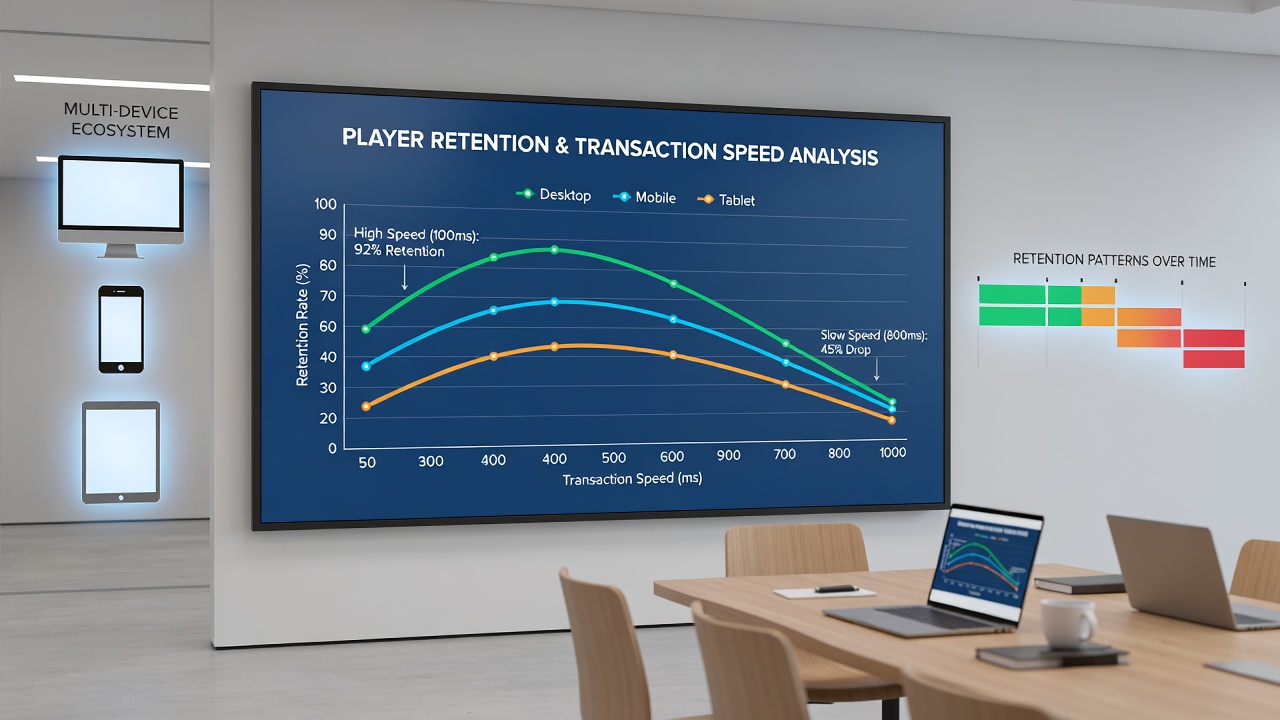
Longitudinal studies conducted by research groups in North America and Australia demonstrate that players who complete transactions under two seconds on their primary device return at rates 18 to 22 percent higher than those facing longer waits. The same datasets indicate smartphone users exhibit the steepest retention decline when verification stretches past four seconds, whereas desktop users tolerate slightly longer windows before engagement dips.
One analysis of multi-platform activity logs found that participants who moved between tablet and phone during a single session showed stronger loyalty when both interfaces maintained comparable speeds, and this consistency appears tied to reduced cognitive load during gameplay transitions. Observers note that fragmented timing across devices often interrupts the flow that keeps users invested over multiple visits.
Device Interface Factors and Payment Pathways
Payment integration reports from operators in Canada and parts of Europe show that native app wallets process funds faster than browser-based versions on the same device, and this difference influences how often users engage with loyalty features embedded in those apps. Data indicates that when verification timelines stay under two seconds across all formats, cumulative playtime increases without corresponding spikes in support tickets related to funding issues.
Researchers tracking August 2026 activity logs found that players using multiple devices within a 24-hour window retained accounts at higher rates when transaction speeds remained uniform, and this pattern held across both regulated markets and emerging jurisdictions. Those examining the logs also note that slower mobile verification sometimes pushes users toward desktop sessions exclusively, narrowing overall platform engagement.
Comparative Data from Industry Reports
According to Nevada Gaming Control Board filings, operators that optimized transaction pathways across device types recorded steadier month-over-month retention numbers through mid-2026. A separate review by the Australian Gambling Research Centre examined similar variables and reached parallel conclusions about speed consistency reducing churn among frequent players.
These sources emphasize aggregate statistics rather than individual outcomes, and the combined evidence points to measurable retention advantages when processing times stay aligned across interfaces. Patterns emerge most clearly in datasets that span at least six months of activity, allowing seasonal fluctuations to be accounted for in the analysis.
Conclusion
Available records show that transaction speed variations across multi-device casino interfaces connect directly to retention outcomes, and operators continue to monitor these variables through ongoing data collection. Consistent processing times support sustained engagement regardless of the device in use, while discrepancies between platforms correlate with reduced return activity. The patterns documented in 2026 filings provide a factual basis for further examination of how timing influences user behavior across different regulatory environments.