Mapping Compliance Pathways to Tiered Reward Structures in Wireless Gaming Ecosystems
Ulrich Günther · Jun 19, 2026
Mapping Compliance Pathways to Tiered Reward Structures in Wireless Gaming Ecosystems
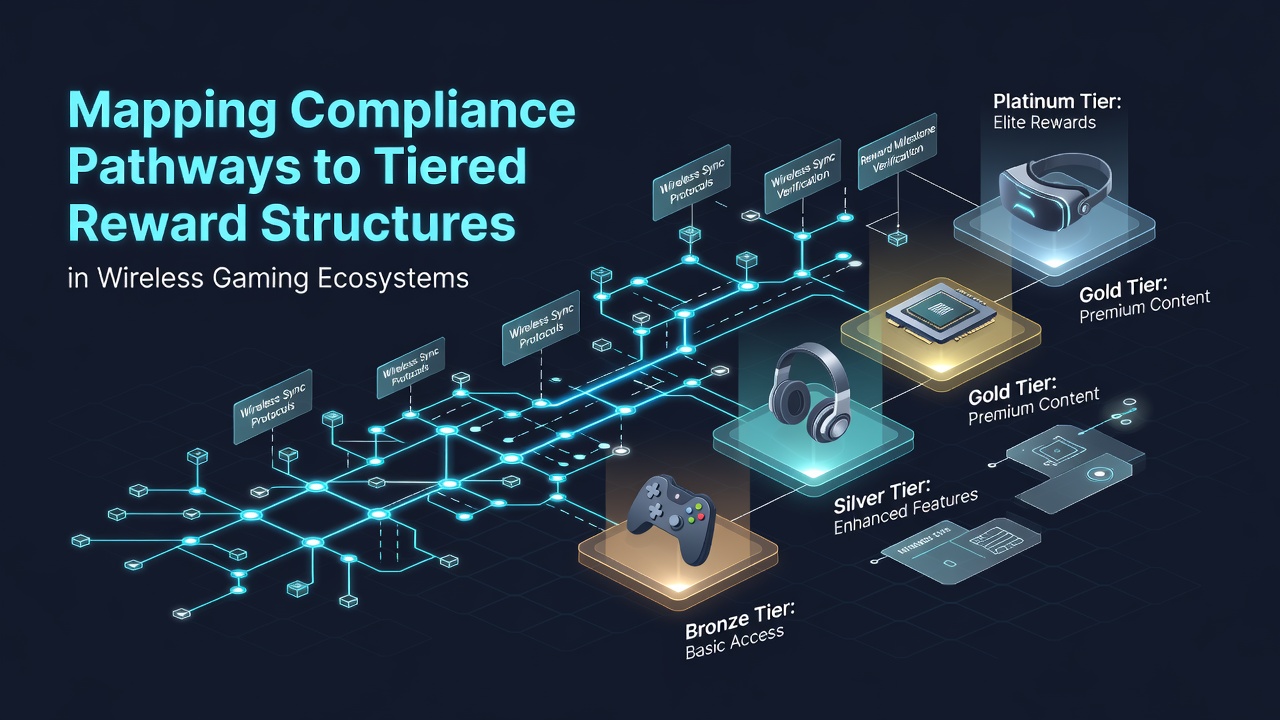
Wireless gaming ecosystems have expanded rapidly since the mid-2020s, and mapping compliance pathways to tiered reward structures now forms a core operational requirement for platforms operating across multiple jurisdictions. Regulatory frameworks require operators to align player verification processes, transaction monitoring, and reward eligibility criteria with jurisdiction-specific rules, while tiered structures deliver escalating benefits such as bonus multipliers, exclusive game access, and personalized support levels based on cumulative activity metrics.
Defining Core Components in Mobile Gaming Networks
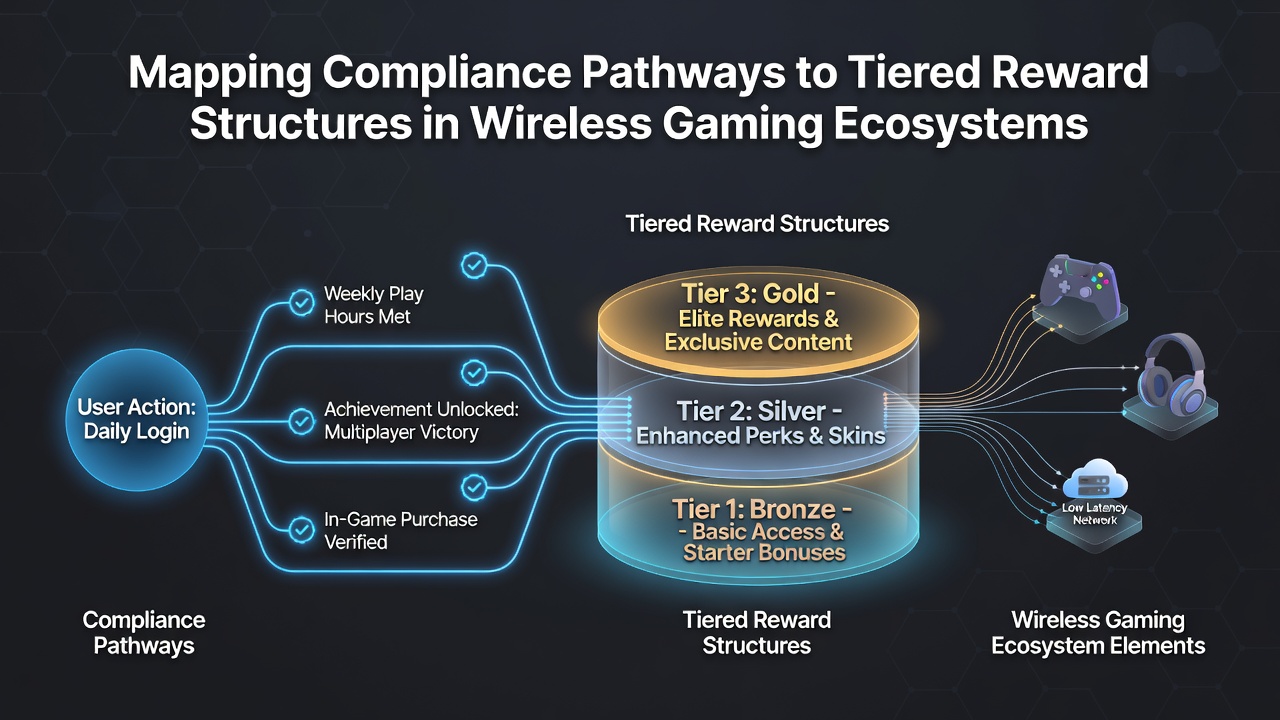
Wireless platforms integrate real-time data streams from smartphone applications with backend compliance engines that track funding sources, session durations, and engagement patterns, and these systems must satisfy standards set by bodies including the Nevada Gaming Control Board and the New Jersey Division of Gaming Enforcement. Tiered reward programs categorize users into levels determined by deposit volume, play frequency, and loyalty tenure, yet each advancement through tiers triggers additional verification checkpoints to prevent circumvention of anti-money laundering protocols. Observers note that operators who embed compliance logic directly into reward algorithms reduce audit discrepancies by significant margins compared with legacy systems that handle these functions separately.
Pathway Construction and Regulatory Alignment
Compliance pathways begin with initial account creation, where identity verification occurs through government-issued documents and biometric checks, then extend through ongoing monitoring of reward redemptions that exceed predefined thresholds. In June 2026 regulatory updates from several North American agencies emphasized automated flagging of rapid tier climbs that coincide with unusual funding patterns, prompting platforms to adjust their internal mapping procedures accordingly. Industry reports indicate that platforms linking verified payment rails directly to tier progression algorithms achieve faster approval rates during periodic reviews, and this linkage allows seamless scaling of rewards without manual intervention for each user milestone.
Integration with Adaptive Decision Systems
Adaptive decision engines now evaluate player behavior against compliance rules before unlocking higher reward tiers, and these engines incorporate variables such as geographic restrictions, age verification status, and transaction velocity. Researchers at institutions studying digital gambling markets have documented how such integrated systems correlate with lower incidence of regulatory sanctions across European and Asian markets. Data from trade associations reveals that wireless ecosystems employing real-time pathway mapping report 30 percent fewer compliance incidents than those relying on post-event reviews.
Evidence from Operational Deployments
One deployment in the Asia-Pacific region demonstrated that mapping cumulative deposit histories to tier eligibility while enforcing jurisdictional spending caps produced measurable improvements in both player retention and regulatory standing. Another case involving North American operators showed that embedding compliance checkpoints at every tier transition point reduced the volume of manual reviews required by compliance teams. Figures released by academic research groups tracking mobile gambling trends confirm that platforms adopting these mapped pathways experience steadier revenue growth because reward distributions remain within approved parameters.
Technical Mechanisms Driving the Mapping Process
Backend architectures rely on API connections between payment processors, identity verification services, and reward management modules, and these connections enable the system to validate each action against a ruleset before granting tier advancement. Encryption standards protect the data flows that carry compliance signals, while audit logs capture every decision point for subsequent regulatory examination. Those who've examined these architectures report that modular designs permit rapid updates when new rules emerge from different regions without disrupting existing reward calculations.
Future Trajectory and Industry Patterns
Patterns observed through 2026 indicate continued refinement of these mappings as 5G networks expand coverage and latency decreases, allowing more granular tracking of player sessions across devices. Regulatory bodies in additional jurisdictions have signaled interest in standardized data formats that would simplify cross-border compliance verification for tiered programs. Trade organizations continue to publish guidance documents that help operators translate these requirements into technical specifications for their wireless platforms.
Conclusion
The mapping of compliance pathways onto tiered reward structures has become an embedded feature of wireless gaming ecosystems, supported by integrated data systems and regulatory oversight from multiple regions. Continued alignment between these elements supports both operational continuity and adherence to evolving standards across global markets.