Exploring Interconnected Loyalty Pathways Across Smartphone Table Games and Instant Funding Options
Ulrich Günther · Jul 29, 2026
Exploring Interconnected Loyalty Pathways Across Smartphone Table Games and Instant Funding Options
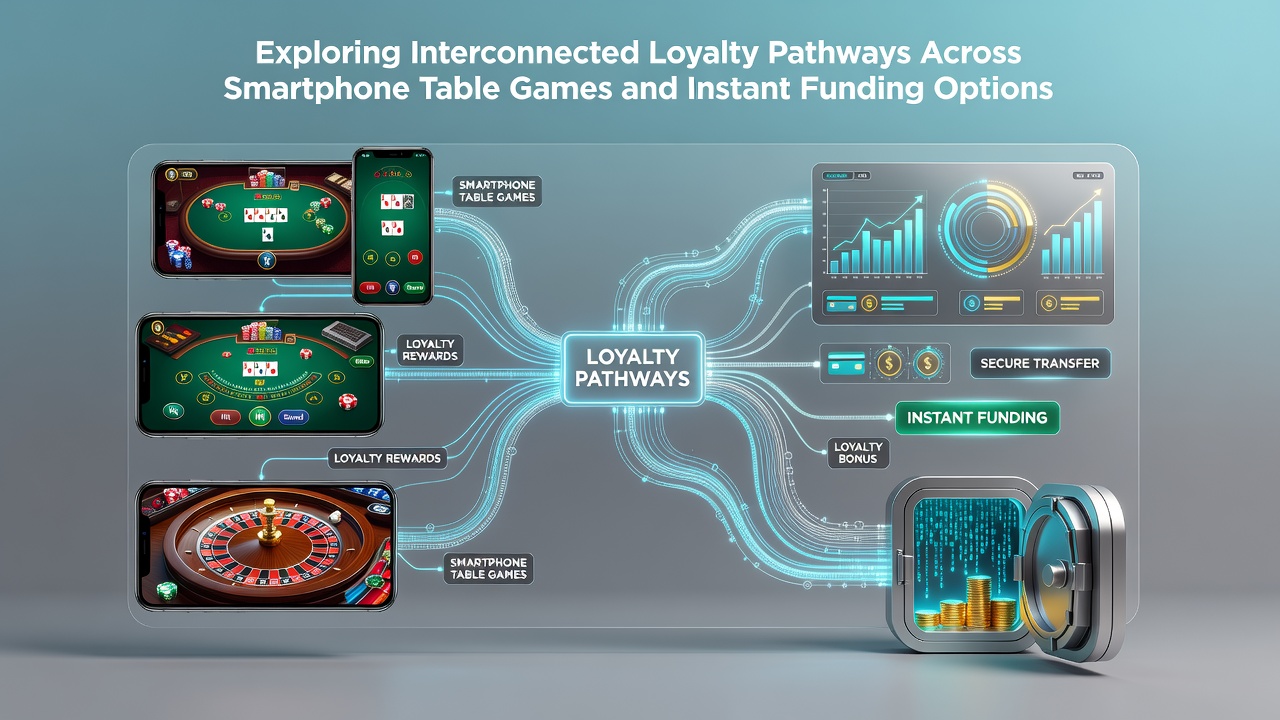
Smartphone table games such as blackjack, roulette and poker variants now link directly to loyalty programs that track player activity across multiple sessions while connecting those same accounts to instant funding mechanisms like e-wallets and digital payment rails. Data from regulatory filings and industry monitoring show that these pathways allow users to accumulate points through live dealer interactions and redeem rewards immediately after verified deposits or withdrawals complete.
Core Mechanics of Smartphone Table Game Loyalty Systems
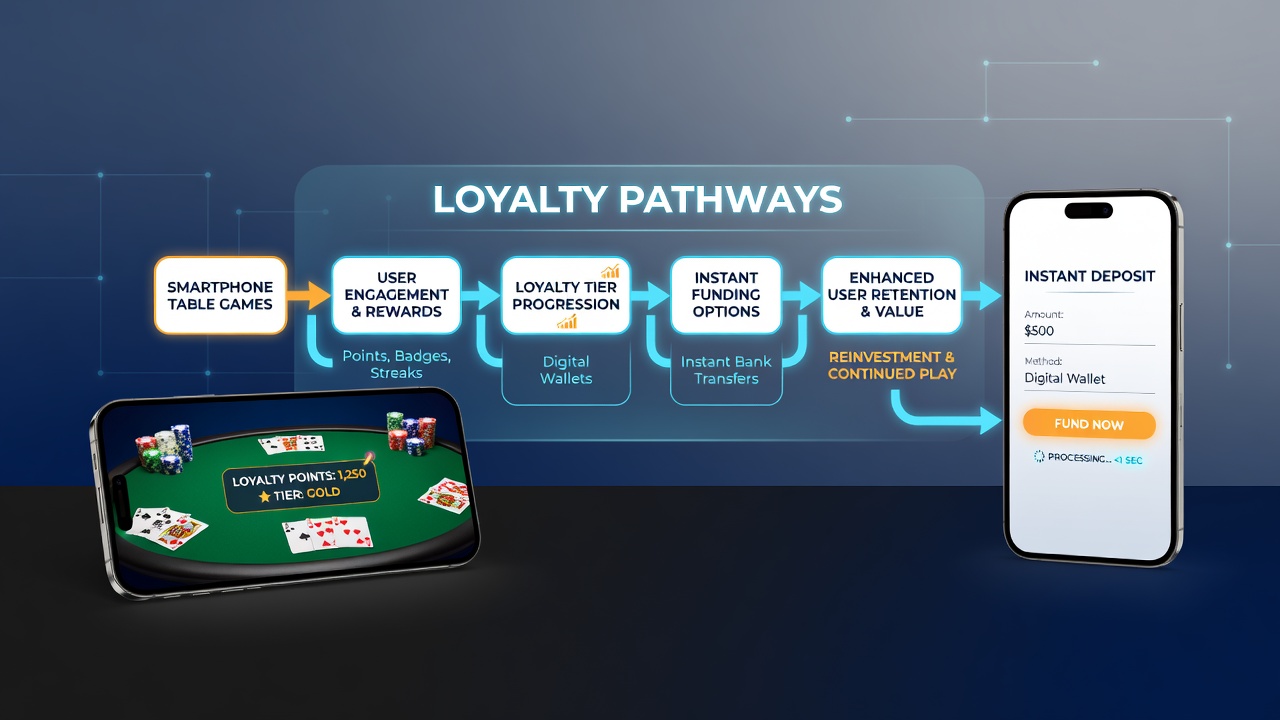
Operators structure loyalty frameworks around real-time tracking of bet volume, session duration and game type preferences, then assign tiered status levels that unlock benefits such as reduced rake, priority seating in digital tournaments and bonus credits. Research conducted by academic institutions in North America and Europe indicates that mobile platforms capture granular data points during each hand or spin, feeding those metrics into centralized databases that update loyalty balances within seconds of gameplay conclusion. Players often notice that table game participation contributes at higher multipliers compared with slot activity, reflecting the higher average wager sizes typical in live dealer environments.
Instant Funding Integration and Transaction Verification
Instant funding options rely on technologies including open banking protocols, cryptocurrency transfers and tokenized card payments that complete authorization in under ten seconds for verified accounts. According to reports published by the American Gaming Association, these rails reduce friction between deposit and gameplay start, allowing loyalty points to begin accruing without the delays associated with traditional bank transfers. Systems automatically log each funding event alongside game activity, creating unified player profiles that reflect both spending patterns and reward accumulation in a single dashboard view.
Cross-Platform Reward Pathways and Tier Progression
Interconnected pathways function through shared application programming interfaces that synchronize loyalty data between gaming applications and payment processors, enabling seamless progression from one tier to the next based on combined metrics. Figures released by gaming technology providers reveal that users who combine frequent table game sessions with rapid funding cycles reach higher status brackets faster than those relying on slower transaction methods. One documented case involved a regional operator in Australia where integration of instant funding led to a measurable increase in average player lifetime value within the first six months of deployment.
Observers note that compliance frameworks in multiple jurisdictions require operators to maintain audit trails linking each loyalty credit to a verified funding source, which in turn supports responsible gaming tools that monitor spending velocity. Those who've studied these systems report that July 2026 marks a period when several platforms plan further API enhancements to accommodate emerging digital currency standards, potentially expanding the range of instant funding channels available to loyalty members.
Regional Variations in Implementation
European markets emphasize data protection standards that shape how loyalty and funding data merge, while North American operators focus on state-level licensing requirements that dictate reporting intervals for combined transaction and reward records. Industry associations in Asia-Pacific regions have published comparative studies showing that markets with mature instant payment infrastructure experience higher rates of cross-game loyalty engagement. These differences illustrate how local regulations influence the technical architecture of interconnected pathways without altering the underlying principle of unified player tracking.
Security and Compliance Considerations
Encryption standards and multi-factor authentication protocols protect the data flows between loyalty engines and funding gateways, reducing exposure during high-frequency transactions. Government agencies across Canada and Singapore have issued guidelines that require operators to demonstrate how loyalty points earned through table games remain traceable to specific funding events for anti-money laundering purposes. Research indicates that platforms employing real-time verification see lower incidence of disputed transactions, which in turn supports more stable loyalty balance calculations.
Future Trajectory of Integrated Systems
Technology providers continue to refine algorithms that predict optimal funding moments based on historical loyalty data, allowing operators to present targeted incentives at the moment a player reaches a new tier threshold. Reports from international gaming conferences highlight ongoing pilot programs that test blockchain-based ledgers for loyalty point issuance tied directly to instant settlement of table game wagers. Such developments point toward increasingly automated and transparent reward structures that operate across smartphone environments without manual intervention.
Conclusion
Interconnected loyalty pathways across smartphone table games and instant funding options rest on synchronized data systems that convert gameplay activity and transaction events into unified reward progressions. Evidence from regulatory filings, industry reports and academic analyses demonstrates consistent patterns of tier advancement tied to verified funding speed and game engagement frequency. These mechanisms continue to evolve in response to technological capabilities and jurisdictional requirements, maintaining traceability and compliance while delivering measurable player status benefits.