Examining Deposit Method Impacts on Bonus Tier Progression in Handheld Live Gaming Environments
Yves Powell · Jul 8, 2026

Examining Deposit Method Impacts on Bonus Tier Progression in Handheld Live Gaming Environments
Deposit methods shape how quickly players advance through bonus tiers during handheld live gaming sessions, and the differences emerge most clearly in processing speeds and verification requirements. Credit cards, e-wallets, cryptocurrency transfers, and bank wires each carry distinct timelines that influence when funds become available for live table play and subsequent reward accumulation.
Core Mechanics of Tier Progression
Bonus tiers in mobile live environments typically rely on cumulative wager volumes and deposit frequency rather than isolated transaction sizes. Systems track real-time activity across blackjack, roulette, and baccarat tables, converting verified deposits into playable balances that contribute to tier points. Faster settlement methods allow continuous play without interruption, while slower options create gaps that delay point accrual until the next funding cycle clears.
Observers note that handheld platforms integrate instant verification protocols for certain digital wallets, enabling deposits to register within seconds and immediately count toward daily or weekly tier thresholds. In contrast, traditional card networks often require additional authorization layers that extend confirmation windows to several minutes or hours, particularly during peak evening hours when live dealer traffic peaks.
Processing Timelines Across Methods
Data from multiple regulatory jurisdictions shows consistent patterns in settlement durations. E-wallet transactions frequently complete in under thirty seconds on compatible networks, allowing players to maintain momentum across consecutive live dealer rounds. Cryptocurrency options demonstrate similar speed advantages once blockchain confirmations finalize, though network congestion can introduce variability during high-volume periods. Bank transfers and wire services, however, routinely span one to three business days, creating extended pauses that interrupt tier progression streaks.
Research compiled by the New Jersey Division of Gaming Enforcement indicates that platforms using instant funding channels record higher average session lengths among tier-climbing users. These extended sessions translate directly into elevated point totals because live table wagers continue without the need to pause for re-deposits.
Verification Requirements and Their Effects
Each deposit channel carries unique compliance checkpoints that affect eligibility for tier advancement. Some e-wallets embed identity verification at the account level, which streamlines casino-side approvals and reduces redundant checks during live play. Credit card deposits often trigger additional security holds when patterns suggest rapid successive transactions, a common tactic among players pushing toward higher tiers. Cryptocurrency methods rely on wallet address matching and blockchain analytics, which can introduce brief delays but rarely exceed the multi-day waits associated with legacy banking routes.
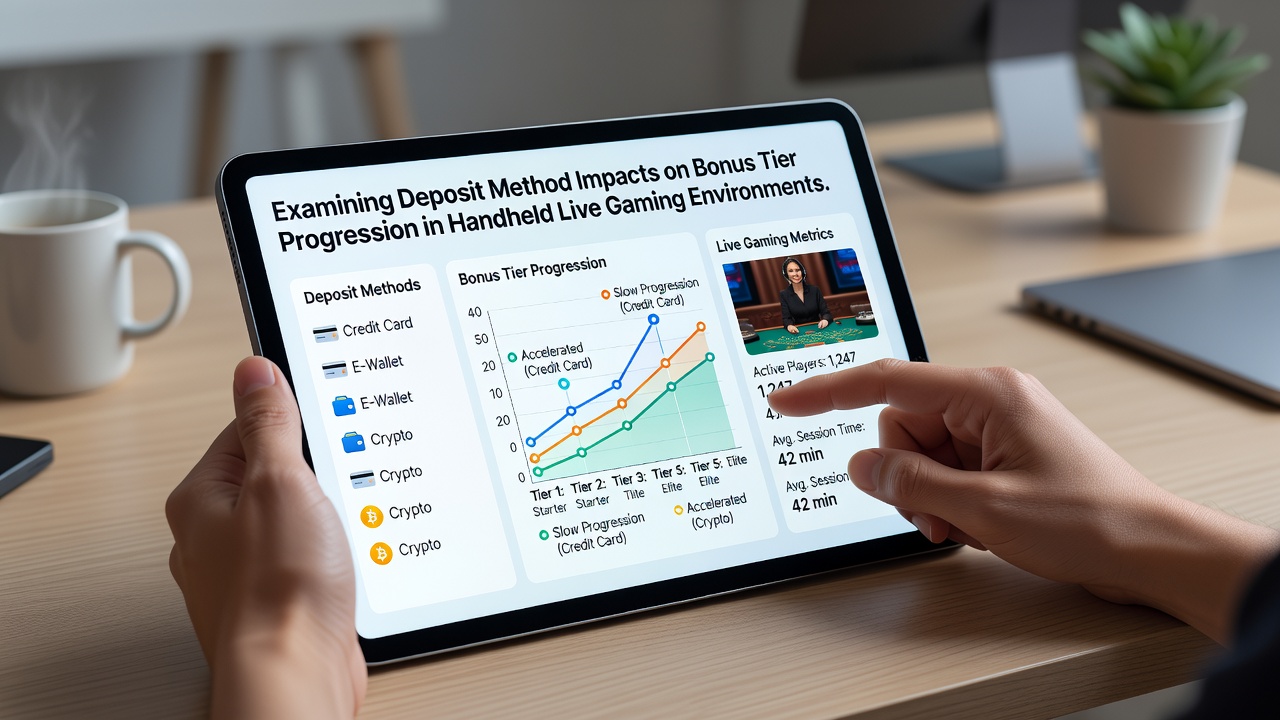
Those tracking player behavior across smartphone networks report that users relying on faster methods reach intermediate tiers at noticeably higher rates within the same calendar month. Slower channels, by comparison, tend to cluster activity into fewer, larger deposit events that still generate points but at a less consistent pace.
Regional Regulatory Context in 2026
Updates scheduled for July 2026 in several North American markets will introduce standardized reporting on deposit method performance metrics. These changes aim to provide clearer visibility into how funding pathways correlate with reward system participation rates. Industry reports from the Ontario Lottery and Gaming Corporation already document preliminary correlations between instant deposit adoption and accelerated tier movement in mobile live dealer segments.
Platform operators continue adjusting bonus structures to accommodate the realities of different funding speeds. Some now apply tier multipliers only after funds clear specific verification stages, a policy that favors methods with built-in speed advantages while maintaining compliance across slower traditional channels.
Conclusion
Deposit method selection directly modulates the rhythm of bonus tier progression in handheld live gaming. Faster options support uninterrupted play and steadier point accumulation, whereas slower alternatives introduce deliberate pauses that reshape how quickly users advance. As regulatory frameworks evolve through 2026, clearer data on these linkages will help clarify optimal pathways for sustained engagement across mobile live environments.