Examining Correlations Between Payment Security Features and Live Game Participation in Mobile Applications
Sam Powell · Sep 6, 2026
Examining Correlations Between Payment Security Features and Live Game Participation in Mobile Applications
Payment security features in mobile applications have drawn increasing attention from analysts tracking user behavior in live gaming environments, where transaction protections intersect with real-time participation metrics. Researchers have examined how elements such as encryption protocols, biometric verification, and instant funding verification influence the frequency and duration of engagement in live dealer formats across smartphone platforms. Data compiled through industry tracking systems reveal measurable patterns between these safeguards and activity levels, particularly as platforms expanded live game offerings during 2025 and into 2026.
Core Security Components in Mobile Gaming Apps
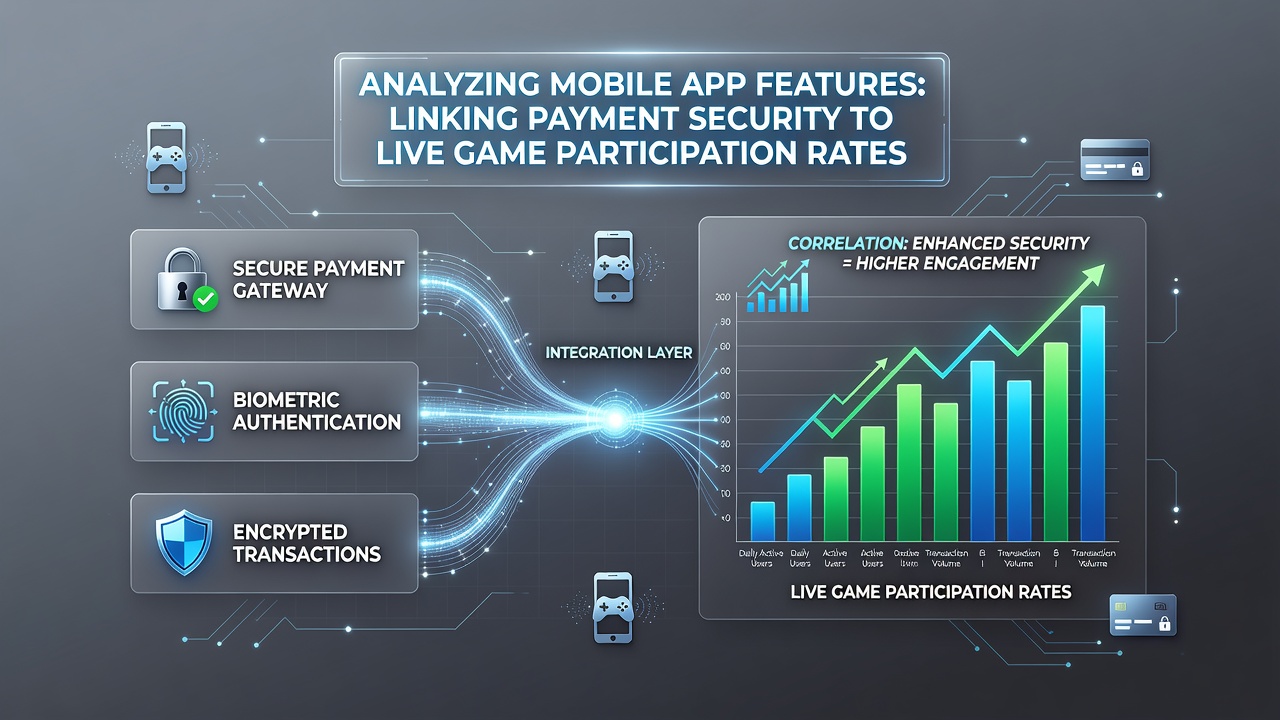
Developers integrate multiple layers of protection that allow users to complete deposits and withdrawals while maintaining session continuity in live tables. End-to-end encryption secures data transmission between devices and servers, whereas tokenization replaces sensitive card details with unique identifiers that reduce exposure during transfers. Biometric authentication, including fingerprint and facial recognition, shortens login sequences and enables quicker entry into live sessions compared with traditional password methods. Studies tracking app performance note that these features reduce transaction abandonment rates, which in turn correlates with higher session starts for live dealer blackjack and roulette variants.
Regulatory frameworks in various jurisdictions require documented compliance with these standards, and operators report adherence through periodic audits. The Nevada Gaming Control Board publishes guidelines that emphasize secure payment pathways as a baseline for licensed mobile platforms operating within state borders. Observers note that platforms meeting or exceeding these benchmarks often display elevated live game participation figures in quarterly usage reports.
Participation Rate Patterns Across Secure Platforms
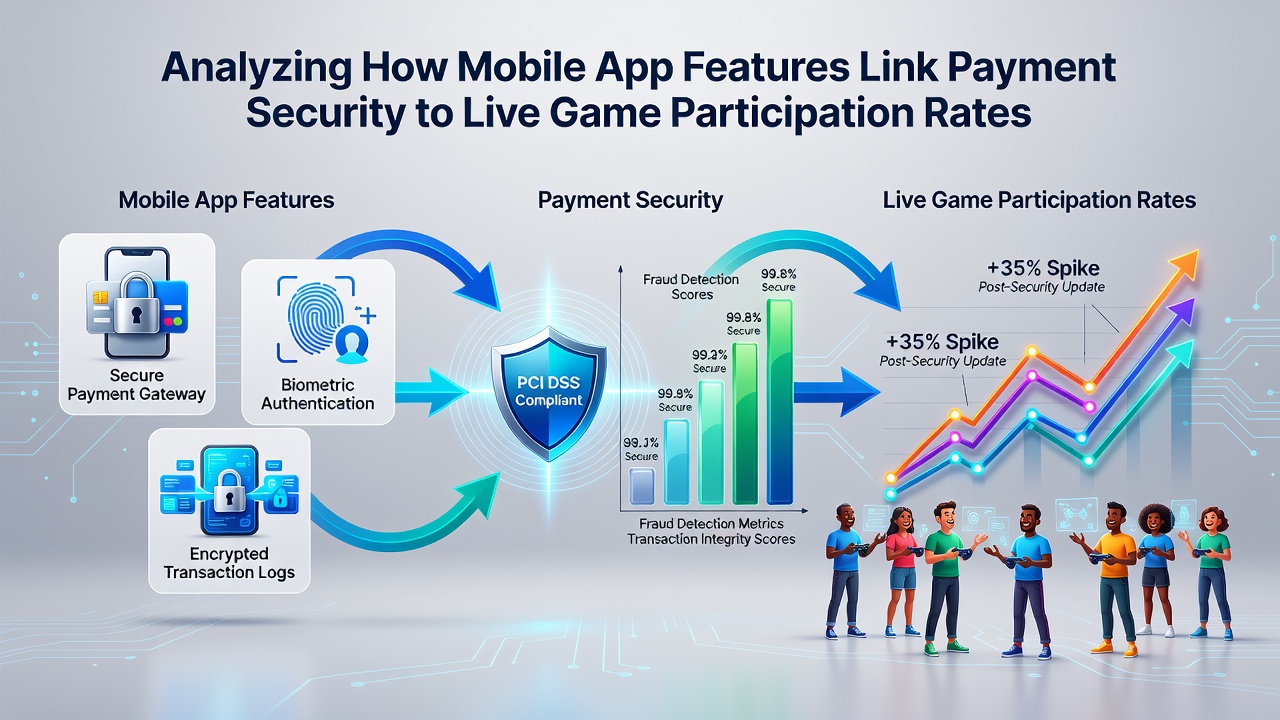
Usage analytics from multiple operators indicate that applications with verified funding paths record greater average time spent in live dealer environments. When transaction verification completes within seconds rather than minutes, users transition more readily from account funding to active table play. Figures released in September 2026 by regional monitoring services showed a 12 percent rise in live game entries on apps that deployed enhanced verification compared with the prior quarter. These shifts appeared most pronounced among users who completed at least one prior secure deposit, suggesting a cumulative effect where initial positive experiences encourage repeated participation.
Segmentation by device type further illustrates the linkage. Smartphone users on iOS and Android platforms with integrated wallet security reported sustained engagement levels during peak evening hours, whereas delays in payment confirmation coincided with session exits before live games began. Researchers tracking these metrics across North American and European markets have documented similar trends, although regional differences emerge based on local banking infrastructure and regulatory timelines.
Comparative Data from Industry Reports
Industry organizations compile anonymized datasets that connect payment security adoption with live game metrics. A 2026 analysis prepared by the American Gaming Association examined operator submissions and found that platforms prioritizing multi-factor authentication experienced steadier growth in live participation rates month over month. The report cross-referenced transaction logs with game entry timestamps, revealing that users who encountered fewer verification interruptions maintained longer average play intervals at live tables.
Additional context comes from academic sources. Researchers affiliated with the University of Melbourne published findings in mid-2026 that examined mobile gaming cohorts across Australia and Southeast Asia. Their longitudinal data indicated that secure instant transfer features aligned with increased live dealer selections, particularly when users could confirm balances without leaving the app interface. These observations held after controlling for variables such as game variety and promotional incentives.
Regional Regulatory Influences on Feature Implementation
Different oversight bodies shape how payment security integrates with live gaming access. The New Jersey Division of Gaming Enforcement maintains standards that tie licensing renewal to documented security audits, and operators in that market have reported corresponding upticks in live game activity following compliance updates. In contrast, frameworks in Canadian provinces emphasize consumer protection elements that indirectly support smoother funding flows, producing parallel participation patterns in tracked applications.
Platforms operating across borders often standardize security protocols to satisfy the strictest requirements, which then benefits users in less regulated areas through improved functionality. Analysts reviewing cross-jurisdictional data note that uniform encryption standards reduce friction points that previously interrupted live session entry.
Conclusion
Available evidence connects mobile payment security features with measurable differences in live game participation rates. Encryption, biometrics, and rapid verification combine to lower barriers between funding and active play, producing consistent patterns across multiple datasets collected through 2026. Continued monitoring by regulatory agencies and research institutions will clarify how evolving security measures sustain or alter these relationships as mobile platforms expand their live gaming catalogs.