Dissecting Licensing Timelines and Their Influence on Multi-Device Reward Redemption Sequences in Digital Wagering Networks
Yves Powell · Aug 14, 2026
Dissecting Licensing Timelines and Their Influence on Multi-Device Reward Redemption Sequences in Digital Wagering Networks
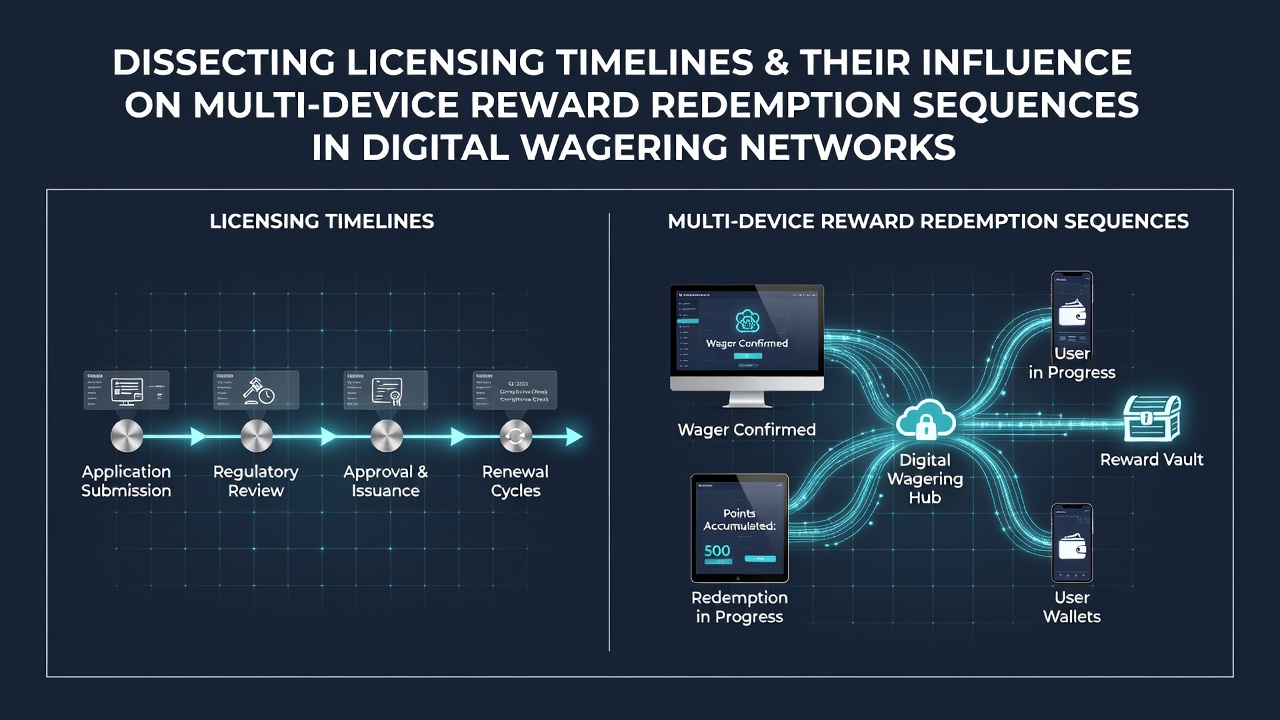
Regulatory frameworks in digital wagering establish licensing timelines that directly shape how operators process reward redemptions across smartphones, tablets, and desktop interfaces, and these schedules determine the speed and sequence of verification steps required before users access loyalty points or bonus credits on multiple devices.
Core Elements of Licensing Schedules
State and national authorities set approval periods that range from several months to over a year depending on jurisdiction, and during these intervals operators must demonstrate compliance with security protocols, financial safeguards, and technical standards that govern cross-device data synchronization. Pennsylvania’s gaming regulators, for instance, require detailed submissions on encryption methods and user authentication flows before granting or renewing licenses, which in turn dictates how quickly reward systems can update across a player’s registered devices.
Verification Layers and Device Synchronization
Once a license receives approval or renewal, operators integrate mandatory verification layers that affect redemption sequences, and these layers often include real-time identity checks that must complete on one device before credits transfer to another. Data from industry reports indicate that platforms operating under shorter renewal cycles experience faster synchronization of reward balances, whereas those facing extended review periods encounter delays in propagating updates across mobile and desktop environments. Observers note that the sequence typically follows a pattern where initial login on a primary device triggers a secondary confirmation on additional hardware before full redemption proceeds.
August 2026 brought new compliance guidelines in several North American markets that shortened certain renewal windows by thirty days for operators demonstrating advanced multi-device security certifications, and these adjustments allowed quicker propagation of reward updates in tested networks. Researchers tracking platform performance found that operators who aligned their internal timelines with these regulatory changes recorded measurable reductions in redemption latency across device types.
Regional Variations in Timeline Effects
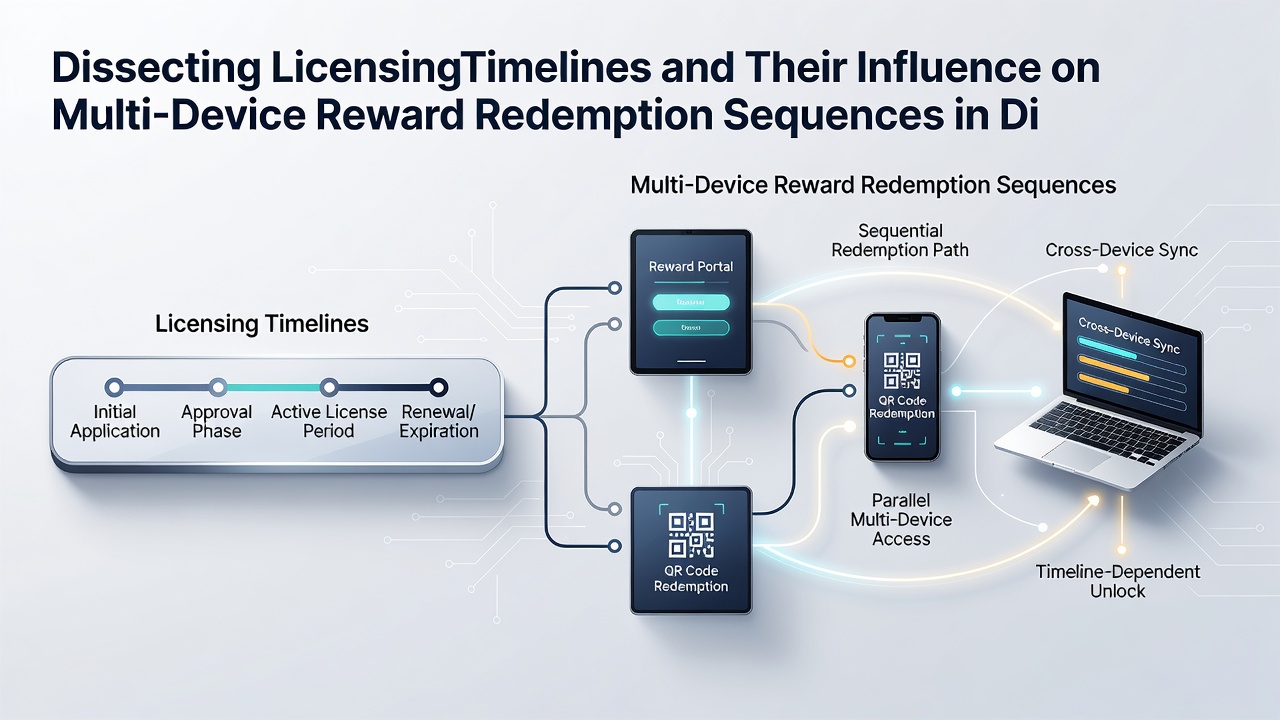
European jurisdictions apply staggered licensing reviews that tie reward system certifications to periodic audits, and these staggered approaches create distinct patterns in how operators sequence redemptions when users switch between smartphone apps and browser-based platforms. Australian state authorities maintain separate approval tracks for mobile versus desktop features, which forces developers to stage reward redemptions in phases rather than enabling simultaneous access across all registered devices. Those who have examined these frameworks report that the resulting sequences often require users to complete one device’s verification before the second device unlocks equivalent credit balances.
Studies compiled by academic research groups reveal correlations between renewal frequency and the complexity of redemption sequences, and operators facing annual reviews tend to maintain more rigid step-by-step processes compared with those under multi-year licenses that allow iterative system improvements. The differences appear most clearly in loyalty programs where point accumulation on one device must clear regulatory checkpoints before transfer to a secondary device completes.
Technical Integration Challenges
Network architects must embed licensing deadline constraints into their reward engines, and this integration requires precise mapping of verification milestones to each device’s authentication protocol. When regulators extend review periods, operators delay rollout of new redemption pathways until final approval arrives, which creates temporary bottlenecks that affect users attempting cross-device transfers. Industry data shows these bottlenecks concentrate during peak usage hours when simultaneous logins from multiple devices trigger additional compliance checks.
One documented case involved an operator that postponed a multi-device loyalty feature for eight weeks while awaiting license renewal confirmation, and during that interval players encountered sequential rather than parallel redemption flows. Such examples illustrate how external regulatory calendars directly influence the internal sequencing logic that governs reward distribution.
Conclusion
Licensing timelines establish the structural boundaries within which multi-device reward redemption sequences operate, and the interplay between regulatory approval cycles and technical synchronization continues to shape operational practices across digital wagering networks. Continued monitoring of these timelines provides operators and regulators with measurable indicators of how compliance schedules affect user access patterns on varied hardware platforms.