Decoding Linkages Between Encrypted Banking Channels and Escalating Reward Tiers for Dedicated Digital Gamers
Yves Powell · May 20, 2026
Decoding Linkages Between Encrypted Banking Channels and Escalating Reward Tiers for Dedicated Digital Gamers
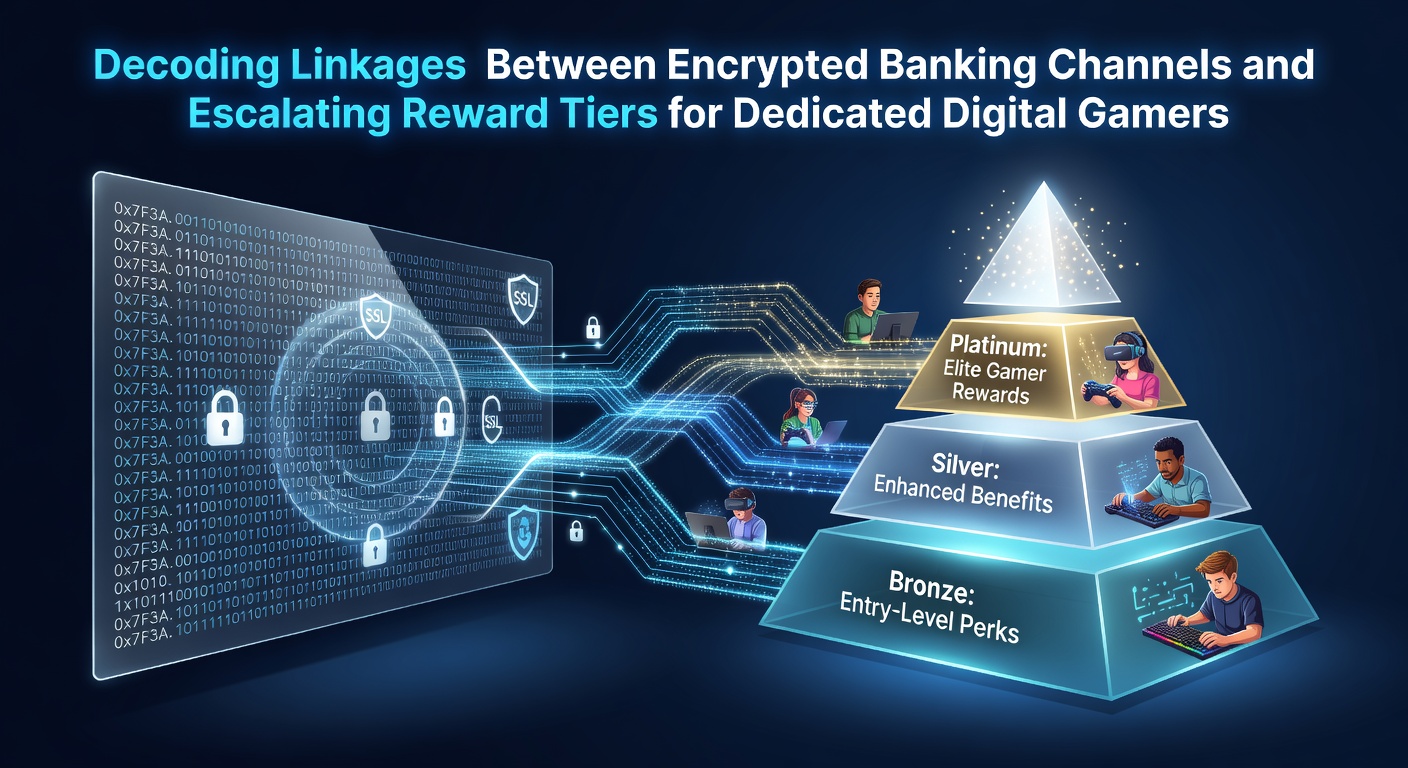
Encrypted banking channels now connect directly to reward structures inside major digital gaming platforms because secure transaction protocols reduce fraud risks and enable detailed player activity tracking that operators use to calibrate tier advancements. These systems rely on end-to-end encryption standards together with tokenization methods that shield financial data while transmitting deposit and withdrawal records to backend analytics engines. Platforms integrate these channels to verify transaction legitimacy in real time which then feeds into algorithms that determine eligibility for escalating rewards such as bonus multipliers, cashback percentages, and exclusive tournament entries.
Mechanics of Encrypted Channels in Digital Gaming Environments
Operators implement protocols including AES-256 encryption alongside blockchain-based verification layers that authenticate each banking action without exposing account details to third parties. This setup supports instant wallet transfers that maintain momentum during live dealer sessions and slot sequences because the reduced processing latency keeps players engaged longer. Data from these protected streams supplies operators with precise deposit frequency metrics, average transaction sizes, and geographic patterns that inform how quickly a gamer advances through bronze, silver, gold, and platinum tiers. In May 2026 several platforms adjusted their internal compliance frameworks to align with updated multi-jurisdictional data protection requirements which further standardized how encrypted records translate into automated reward escalations.
Connection Between Transaction Security and Tier Progression
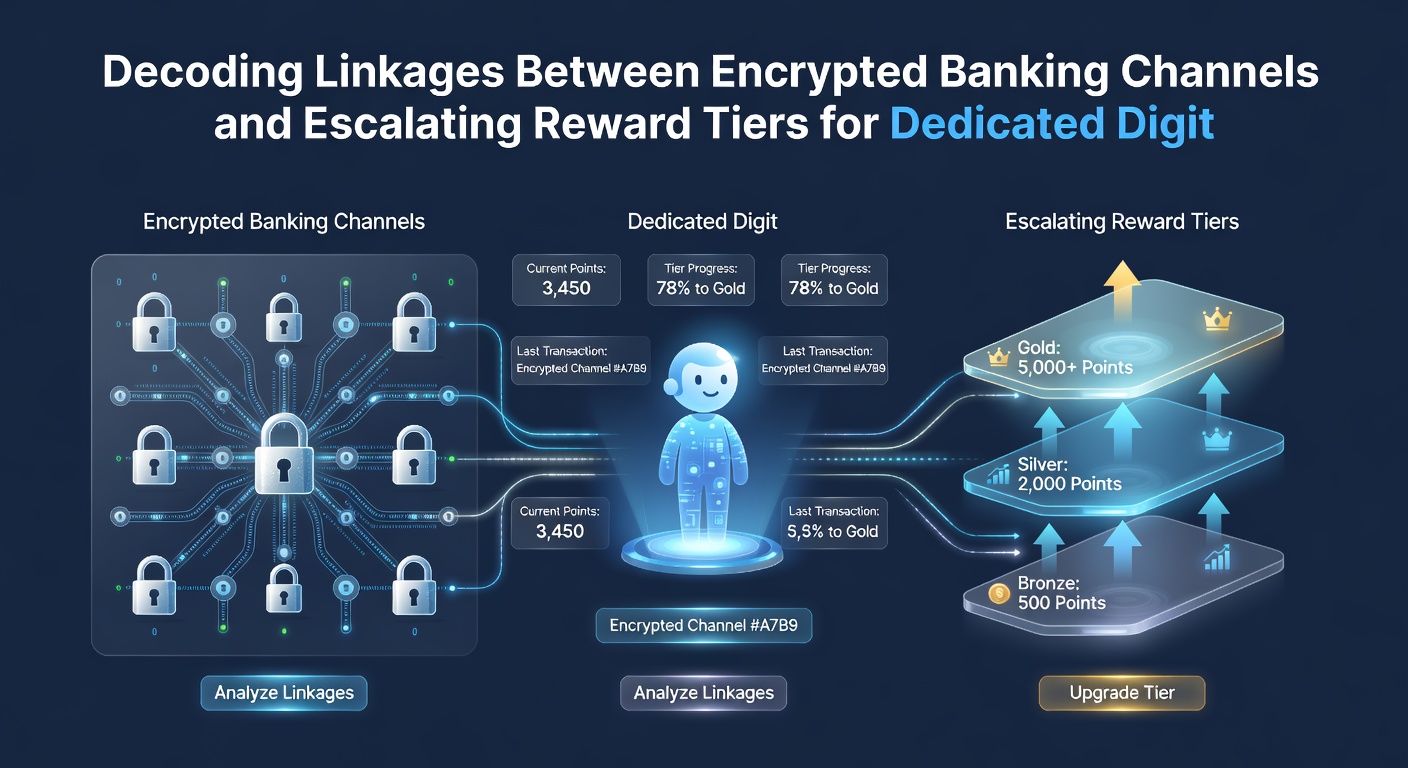
Secure channels create verifiable audit trails that allow operators to confirm consistent high-value activity without manual review delays. Gamers who route deposits through encrypted crypto gateways or tokenized bank transfers often receive faster tier upgrades because the system flags lower chargeback probabilities and higher lifetime value projections. Research indicates that platforms employing these methods report measurable increases in player retention once reward thresholds become tied to encrypted transaction volumes rather than simple playtime counters. Observers note that dedicated digital gamers who maintain steady encrypted funding streams frequently unlock personalized incentives such as dedicated account managers or accelerated point conversion rates that remain unavailable through standard payment routes.
Regional Regulatory Influences on These Linkages
European authorities through bodies like the European Gaming and Betting Association have issued guidance encouraging operators to adopt certified encryption standards as a prerequisite for offering variable reward structures. Canadian provincial frameworks similarly require documented security measures before platforms may escalate bonus tiers based on deposit histories. These rules create a feedback loop where stronger encryption compliance directly supports more granular reward differentiation across player segments. Figures from industry analyses reveal that jurisdictions enforcing such standards see higher average spend per dedicated gamer because trust in banking security encourages larger and more frequent transactions that trigger tier climbs.
Impact on Dedicated Gamer Behavior and Platform Strategies
Players who prioritize encrypted options often discover that their activity logs generate richer datasets for loyalty algorithms which then accelerate progression toward top-tier benefits. Platforms respond by designing tier ladders that reward encrypted volume milestones with escalating privileges including priority access to new game releases and enhanced withdrawal speed limits. Studies from academic gaming research groups show correlations between encrypted channel adoption rates and reduced player churn once reward tiers reflect verified transaction security. Operators have started publishing tier requirement tables that explicitly list encryption-certified payment methods as qualifying criteria for higher brackets.
Future Trajectory Through Mid-2026 and Beyond
Industry reports project continued integration of advanced encryption with artificial intelligence models that predict optimal reward timing based on encrypted spending rhythms. As more regions formalize requirements around secure banking data handling, platforms will likely refine tier structures to reward gamers who consistently use protected channels. Those who've studied adoption patterns note that such linkages help operators balance risk management with player engagement goals without compromising regulatory standing across multiple markets.
Conclusion
The linkages between encrypted banking channels and escalating reward tiers rest on verifiable transaction security that supplies operators with reliable data for tier calibration. As standards evolve through 2026 these connections are expected to grow more precise, offering dedicated digital gamers clearer pathways to elevated benefits when they route activity through protected financial systems.