Charting deposit confirmation sequences with tiered loyalty triggers in wireless table game sessions
Yves Powell · Jul 27, 2026
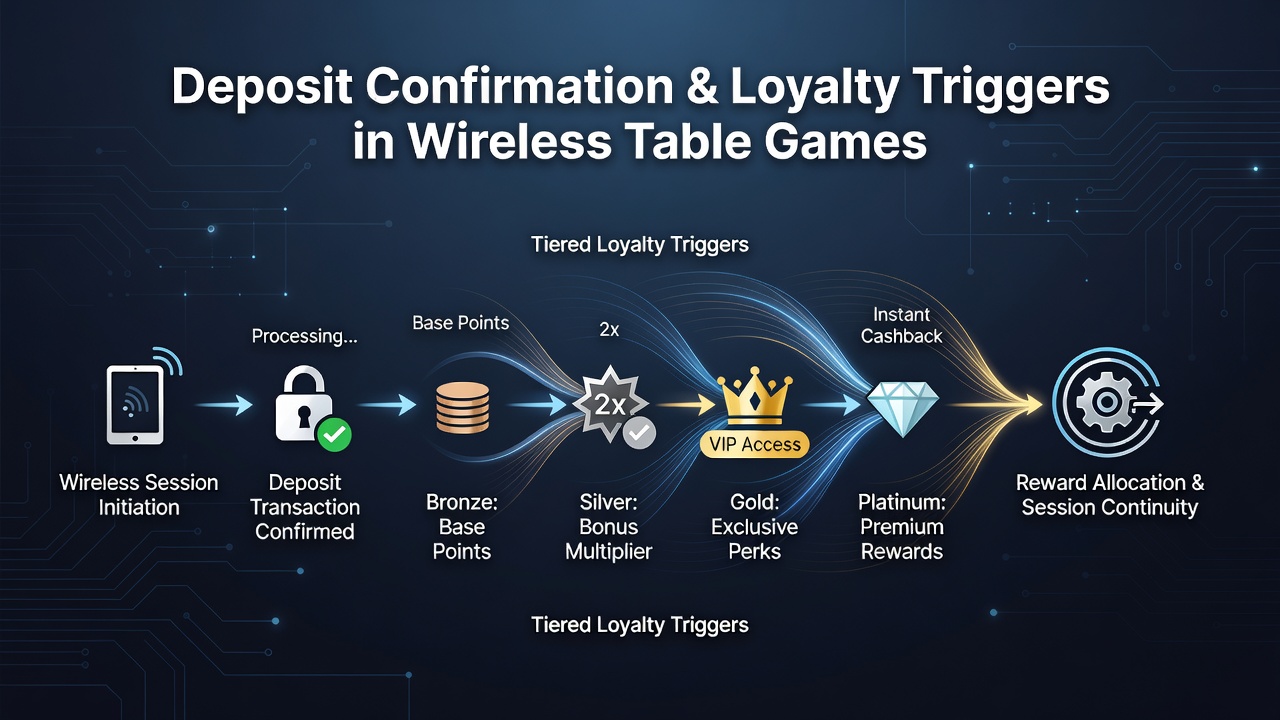
Charting deposit confirmation sequences with tiered loyalty triggers in wireless table game sessions
Deposit confirmation sequences in wireless table game sessions follow structured protocols that verify transactions through encrypted channels before activating any associated loyalty mechanisms, and these sequences typically integrate multiple authentication layers including bank authorization, platform validation, and session synchronization. Operators map these steps to ensure seamless progression from funding to gameplay, while data flows between payment processors and game servers maintain consistency across mobile networks. Researchers have documented how delays in any single stage can interrupt the entire sequence, particularly during peak hours when wireless connections experience variable latency.
Mapping the Core Sequence Components
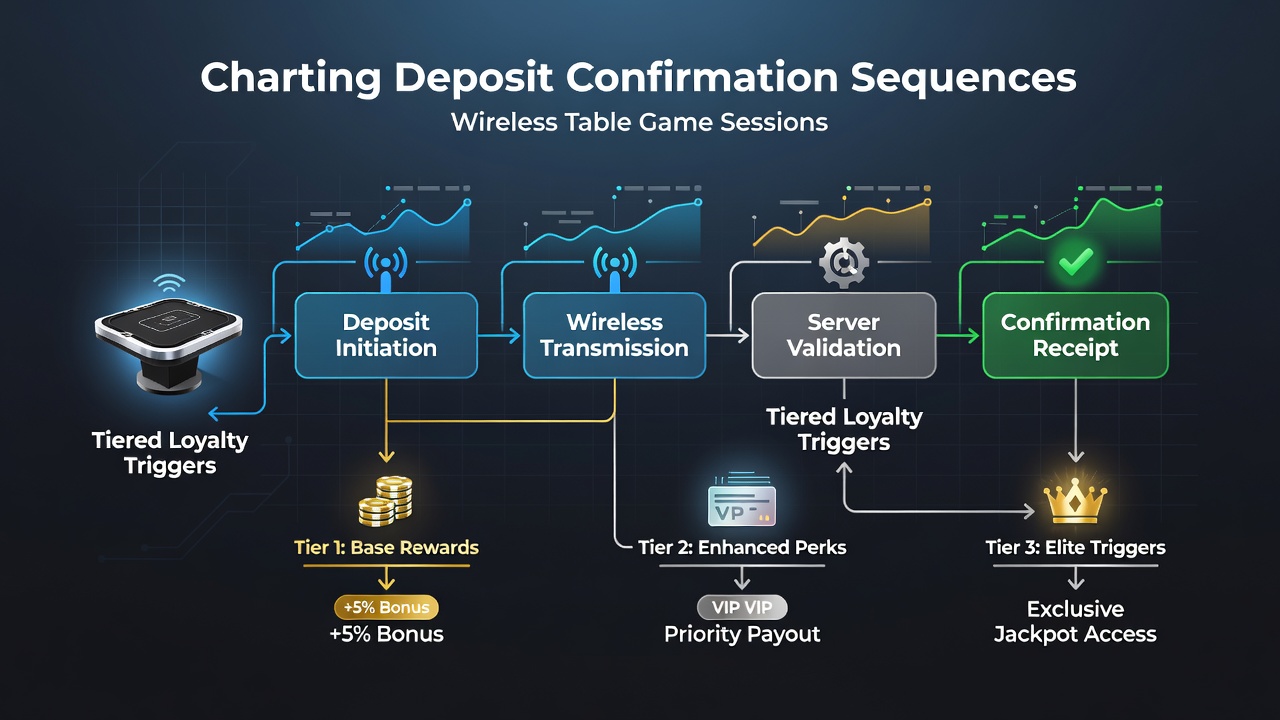
Each confirmation sequence begins with an initial funding request initiated from a wireless device, after which the system routes the transaction through secure gateways that cross-check user credentials against regulatory databases. Once authorization clears, the platform issues a confirmation token that syncs with the active table game session, and this token then triggers the first loyalty evaluation point. Observers note that systems often employ timestamped logging to track every millisecond from request to confirmation, creating audit trails that support compliance reporting in jurisdictions such as Nevada and parts of Canada. Studies from the University of Nevada, Las Vegas have examined these timelines in live dealer environments, revealing that average confirmation windows range between 1.8 and 4.2 seconds under optimal network conditions.
Linking Confirmations to Tiered Loyalty Triggers
Tiered loyalty triggers activate at predetermined deposit thresholds that align with confirmation milestones, so a player reaching the first tier might unlock enhanced table limits or accelerated point accrual once the sequence completes. These triggers operate through algorithmic rulesets that evaluate cumulative deposit values within defined periods, and they adjust dynamically based on session duration and game type selection. Data from industry reports indicate that platforms using real-time synchronization achieve higher trigger activation rates compared with batch-processed systems, because the confirmation sequence feeds directly into the loyalty engine without intermediate storage delays. What's notable is how wireless environments introduce additional variables, such as signal handoffs between cell towers, which can affect the precise moment a trigger fires.
One documented approach involves embedding loyalty rule checks within the confirmation handshake itself, allowing the system to pre-calculate eligibility before the funds fully settle. This method reduces latency between deposit success and reward delivery, and it has been adopted in several mobile platforms operating across state lines. Figures from the American Gaming Association show continued expansion of wireless table offerings in regulated markets through 2025, with projections extending into mid-2026 as infrastructure upgrades continue.
Technical Integration in Live Wireless Settings
Wireless table game sessions rely on persistent connections between the mobile client and dealer interface servers, and deposit confirmations must insert into this stream without disrupting card dealing or betting windows. Developers achieve this by using lightweight API calls that run parallel to the game engine, while background processes handle the heavier verification tasks. Those who have analyzed platform architectures report that modular design allows operators to swap payment providers without rewriting the loyalty trigger logic, which supports faster adaptation when new banking regulations emerge. In regions preparing for expanded mobile gaming access ahead of July 2026, such flexibility becomes relevant as operators align systems with evolving compliance standards.
Trigger thresholds often incorporate both single-transaction amounts and rolling totals across multiple sessions, creating layered incentives that encourage sustained engagement. The confirmation sequence therefore serves dual purposes: it secures the financial transaction and supplies the data point that advances the loyalty meter. External research from the Australian Gambling Research Centre has tracked similar integration patterns in mobile environments, noting measurable differences in player retention metrics when confirmation-to-trigger latency stays below three seconds.
Compliance and Data Handling Considerations
Regulatory frameworks in multiple jurisdictions require detailed logging of every deposit confirmation that influences loyalty progression, and these records must remain accessible for audits that can occur months after the session ends. Wireless environments add complexity because session data travels across variable network paths, yet operators maintain centralized repositories that reconstruct sequences accurately. Platforms incorporate encryption standards that protect both financial details and loyalty account states during transmission, and independent testing labs verify these measures before deployment. Observers tracking industry developments have identified growing use of standardized data schemas that facilitate cross-platform loyalty portability, although adoption remains uneven across operators.
Conclusion
Charting deposit confirmation sequences alongside tiered loyalty triggers reveals interconnected technical and regulatory layers that shape wireless table game operations. The sequences provide the verified foundation upon which loyalty systems evaluate and apply rewards, while wireless constraints influence timing and reliability. As mobile platforms continue to evolve through 2026, the precision of these mappings supports both operational efficiency and adherence to established oversight requirements across different regulatory regions.